SECOND QUARTER 2026 | Chair’s Message
 As we move through the second quarter of the year, I’m reminded once again of the strength and unity of our global plumbing community. Across regions and time zones, our shared mission continues to bring us together in meaningful ways.
This year’s World Plumbing Day celebrations were truly inspiring. It was encouraging to see recognition and participation from around the globe — from local community events to industry-wide initiatives. Each year, the momentum continues to grow, reflecting a deeper understanding of the vital role our profession plays.
Thank you to everyone who took a moment to recognize the day and help draw attention to the important work the plumbing industry does to protect the health of humanity. These efforts matter. They elevate our profession and reinforce the essential role we play in safeguarding public health and advancing sustainable water practices.
Looking Ahead – WPC Conference in Birmingham
We now turn our attention to one of the most anticipated events on our calendar — the World Plumbing Council Conference in Birmingham this June. This year’s conference is particularly exciting, as it will be held in conjunction with the InstallerSHOW 2026, one of the largest and most influential gatherings in our industry.
Being co-located with such a major event is a tremendous advantage. It creates a dynamic environment where global perspectives, emerging technologies, and industry leaders all come together in one place. The opportunities for learning, collaboration, and connection are unmatched, and I strongly encourage you to be part of it.
Given the current geopolitical environment and its impact on global travel, I would also encourage you to secure your flights and accommodations as soon as possible. Airfares are already showing signs of volatility, and booking early will help ensure availability and more favorable pricing.
On behalf of the WPC, I would like to extend our sincere appreciation to our conference host, Kevin Wellman and the Chartered Institute of Plumbing and Heating Engineering (CIPHE), for their leadership, partnership, and commitment in bringing this global event to Birmingham.
WPC General Meeting – Shaping the Future
The WPC General Meeting, taking place during the conference, will be an important moment for our organization. Key agenda items will include the election of new board members, ensuring strong leadership for the years ahead.
We will also be making a significant decision regarding the host location for the 2029 WPC Conference, with India and Singapore under consideration. Both represent dynamic regions with strong industry presence, and we look forward to a thoughtful and forward-looking discussion as we determine the best path forward.
WPC Awards – Recognizing Excellence
As we celebrate the achievements within our profession, I encourage you to participate in the World Plumbing Council Awards & Recognition Program. These awards are an important way to highlight the individuals and organizations making a meaningful impact across our global industry. Please take the time to submit a nomination and help ensure that those advancing our profession receive the recognition they deserve.
Thank you, as always, for your continued commitment to the plumbing industry and to the mission we all share. I look forward to connecting with many of you in Birmingham.
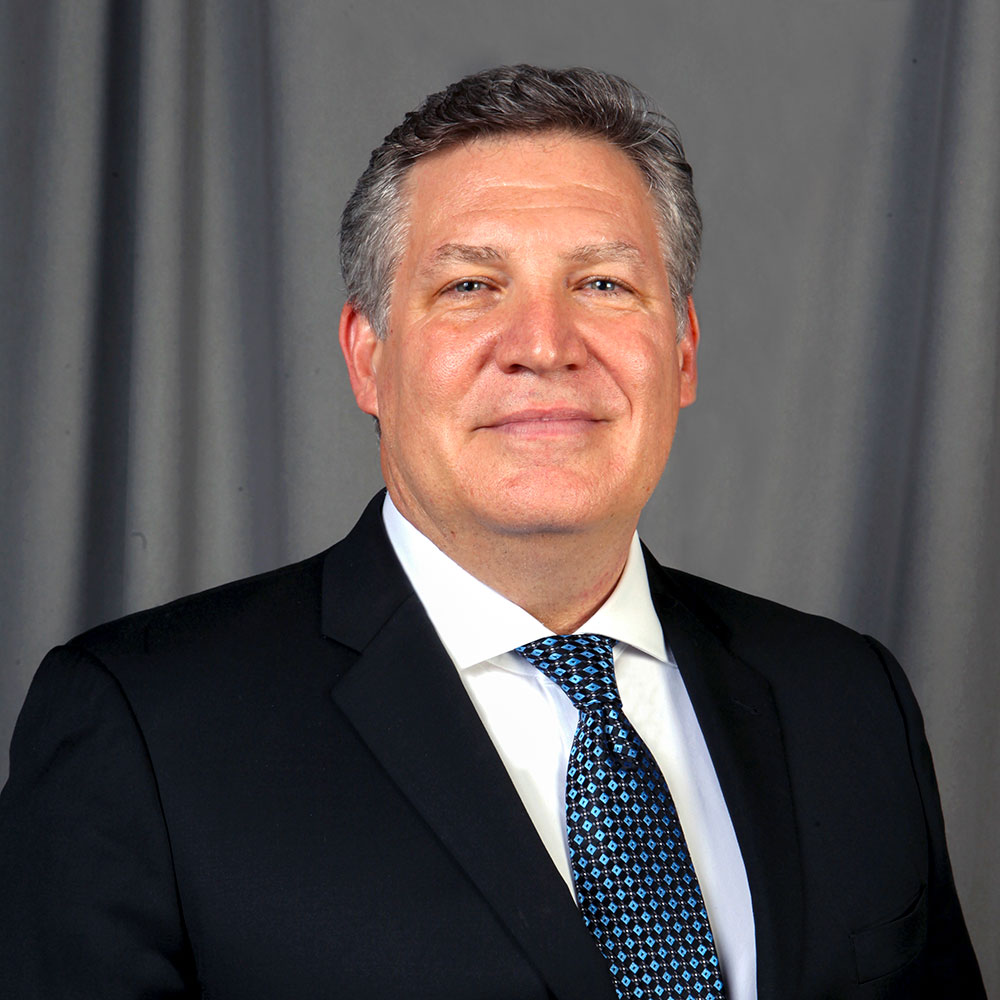
Dave Viola
Chair, World Plumbing Council
IN THIS ISSUE:
World Plumbing Day 2026: A Global Celebration
ISH 2027 Focuses on Integrated Solutions for Building Systems
Coastal Protection in Singapore: A National Imperative in the Face of Climate Change
LIXIL Releases Study on the Economic Consequences of America’s Skilled Labor Shortage
Developing a Code-Based Plumbing System in Nepal
WorldSkills Champions perform ‘Every Beam of Light’ at the Chinese Spring Festival Gala
2026 International Water Chain Exchange Conference held in Zhengzhou
Understanding the Exponential Impact of Multi-Factor Plumbing Failures
World Plumbing Day 2026: A Global Celebration
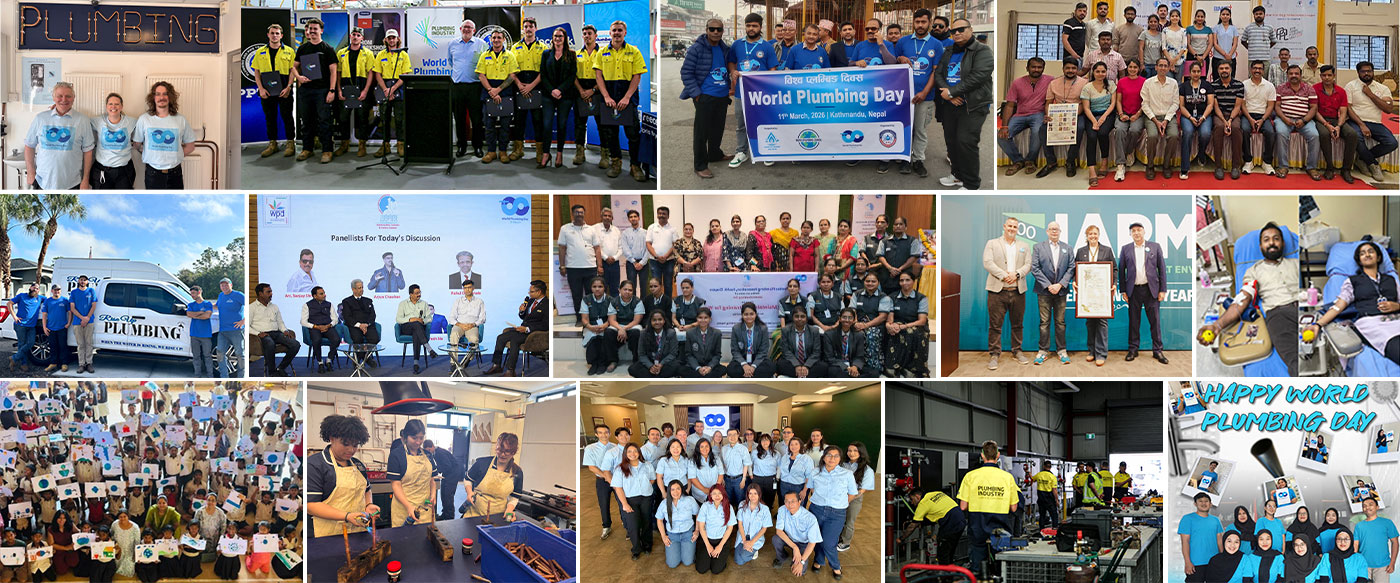
On March 11, 2026, the global plumbing community came together to celebrate World Plumbing Day under the theme “Plumbing Connects the World.” Across continents, organizations, educators, and industry professionals hosted events that highlighted the essential role plumbing plays in protecting public health and supporting sustainable communities. From technical workshops and industry gatherings to school programs and community outreach, participation continued to grow—demonstrating the expanding reach and impact of this global observance.
This year’s celebrations placed a strong emphasis on the connection between plumbing, safe water, and sanitation. Events around the world reinforced the importance of reliable systems in preventing disease, supporting economic development, and addressing environmental challenges. Just as importantly, they showcased the collaboration across the industry—bringing together professionals, partners, and future leaders to share knowledge and advance common goals.
As momentum continues to build year after year, World Plumbing Day remains a powerful reminder of the industry’s shared mission. To everyone who participated and helped raise awareness—thank you for contributing to a truly global celebration and for continuing to elevate the role of plumbing in improving lives around the world.
See all the celebrations here: https://www.worldplumbing.org/activities/wpd-activities-2026/
ISH 2027 Focuses on Integrated Solutions for Building Systems
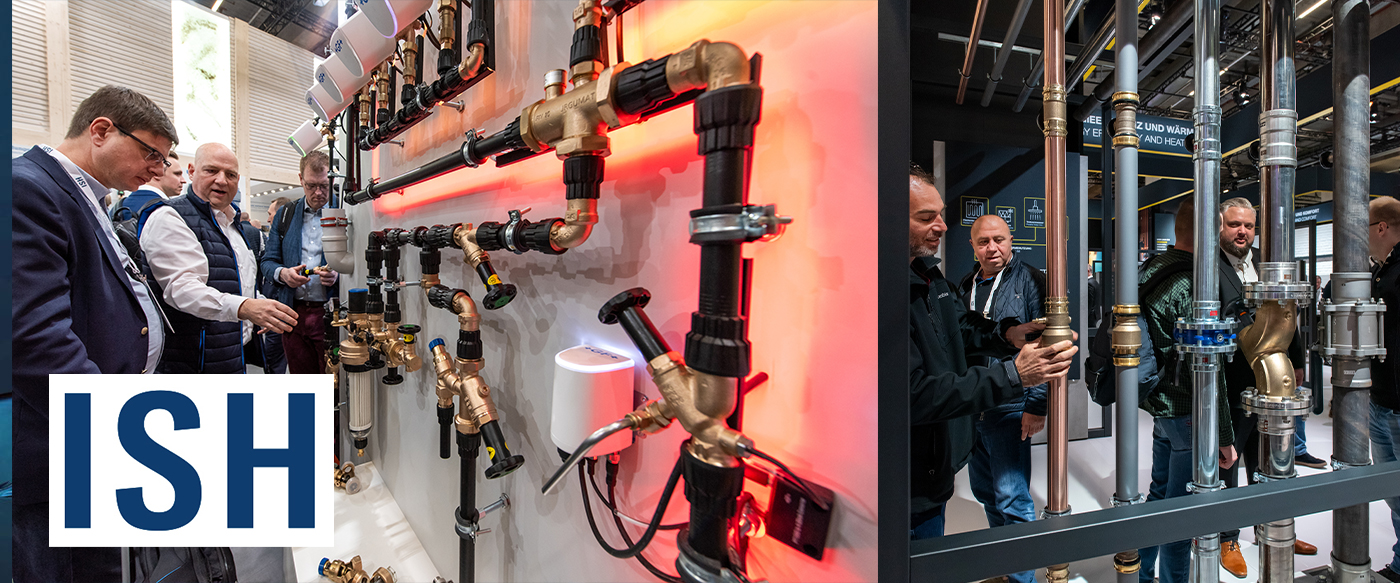
As buildings become more complex worldwide, the need for integrated system solutions is growing. Dense urban housing and rising requirements in residential and public buildings such as schools, health care facilities and office buildings are driving new demands for energy efficiency, resource management and user comfort. What was once planned in separate systems is increasingly being developed as integrated solutions.
ISH 2027, the world’s leading trade fair for HVAC and water, addresses this shift under the motto “The Power of Solutions”. Taking place from 15 to 19 March 2027 in Frankfurt, the event will showcase technologies in the context of real applications and interconnected building systems.
A key focus is on water-related solutions within holistic building concepts. The exhibition structure is organized into solution fields, including “Water-bearing Systems,” which covers drinking water, drainage and the use of grey and rainwater. These systems are increasingly linked with green roofs and facades, underlining the growing importance of water management in sustainable urban development.
As a long-standing partner of ISH, the World Plumbing Council (WPC) plays an important role in advancing global dialogue on safe, efficient and sustainable water systems. The continued collaboration highlights the shared commitment to strengthening the plumbing industry worldwide.
Visitors can also look forward to another Plumbing Champions project, which will once again be held in cooperation with the WPC.
By bringing together stakeholders from across the building lifecycle, ISH provides a platform for exchange and practical implementation of integrated solutions.
Save the date: ISH 2027 will take place from 15 to 19 March 2027 in Frankfurt am Main. Planning is already underway, with further developments to be announced in the coming months. More information is available at www.ish.messefrankfurt.com.
Coastal Protection in Singapore: A National Imperative in the Face of Climate Change
Submitted by By Dickrose Masalamani, President, Singapore Plumbing Society
Introduction
Climate change is no longer a distant or abstract concern — it is a defining challenge of our time. Rising sea levels, driven by global warming, are placing coastal cities and island nations under increasing threat. From the perspective of Singapore, a low-lying island city-state, coastal protection is not optional; it is a national imperative.
Singapore’s experience offers valuable insights into how nations can prepare for and adapt to the long-term impacts of climate change, particularly in the areas of water management and infrastructure resilience — core domains of the global plumbing community.
According to Singapore’s national water agency, PUB, coastal protection is a critical pillar of Singapore’s climate resilience strategy due to projected long-term sea level rise and increased coastal flooding risks.
The Singapore Context: A City at Risk
Singapore’s geographic realities make it especially vulnerable. A significant proportion of land lies less than 5 metres above mean sea level, with much of the nation’s critical infrastructure located along the coast.
PUB projects that sea levels around Singapore could rise by up to 1.15 metres by 2100 under high-emission scenarios, significantly increasing the risk of coastal inundation when combined with storm surges and high tides.
Without robust intervention, such risks could disrupt transport networks, compromise drainage and water infrastructure, and affect homes, industries, and livelihoods. PUB has emphasised that coastal protection is therefore essential for safeguarding Singapore’s long-term habitability.
A Long-Term, Integrated Coastal Protection Strategy
Singapore has adopted a forward-looking and integrated approach to coastal protection, led by PUB. Recognising the complexity of climate change, the strategy is built on several key principles.
Continuous Coastal Defence
PUB emphasises the need for a continuous line of defence along the coastline. Even small gaps in protection could lead to significant flooding, making system-wide planning essential.
Adaptive and Flexible Infrastructure
Given uncertainties in climate projections, PUB designs coastal protection infrastructure to be adaptable and scalable over time, allowing upgrades as sea levels rise.
Multi-Functional Design
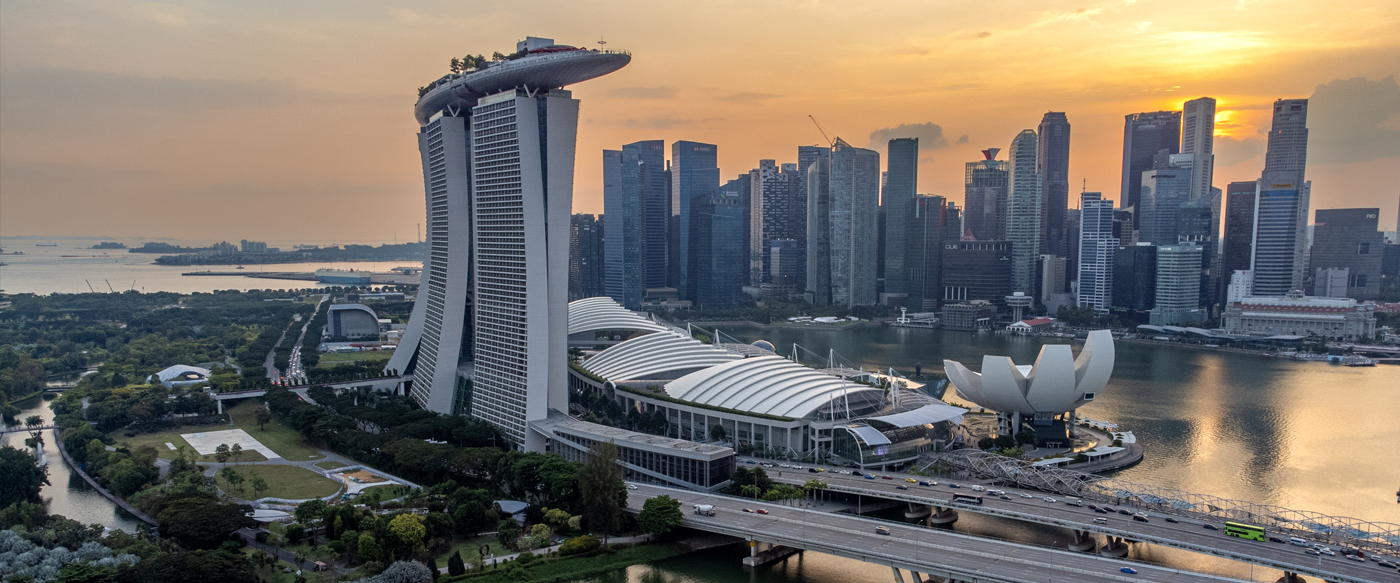
In land-scarce Singapore, infrastructure must serve multiple purposes. PUB integrates coastal protection with urban development and water management systems, exemplified by the Marina Barrage, which functions as a tidal barrier, reservoir, and recreational space.
Multi-Layered Protection
PUB adopts a layered resilience framework, combining coastal defences with drainage improvements, building-level flood protection, and emergency preparedness systems to reduce overall vulnerability.
Engineering Solutions for a Changing Climate
Singapore’s coastal protection measures combine established engineering methods with innovative climate adaptation strategies:
- Sea walls and revetments protecting key stretches of coastline
- Tidal gates and pumping systems managing water levels during high tides and heavy rainfall
- Coastal barriers being studied and implemented for vulnerable shoreline areas
- Raised platform levels for new developments, typically set at least 4–5 metres above mean sea level
- Major developments such as the Greater Southern Waterfront and eastern coastal areas are being designed with long-term resilience as a core requirement.
Governance and Policy Leadership
Singapore’s coastal protection strategy is strengthened by robust governance frameworks.
The introduction of the Coastal Protection Bill (2026) establishes a clear legal framework for implementing coastal protection measures across both public and private stakeholders.
This ensures:
- A continuous and coordinated national defense line
- Shared responsibility between government and landowners
- Integration of coastal protection into long-term land-use planning
PUB highlights that such governance structures are essential for ensuring timely implementation of large-scale coastal infrastructure.
The Role of the Plumbing Sector
Coastal protection is not solely a civil engineering discipline — it is deeply interconnected with plumbing and water management systems.
Plumbing professionals play a crucial role in:
- Designing flood-resilient drainage and sewerage systems
- Preventing backflow and contamination during flood events
- Supporting integrated urban water management systems
- Strengthening building-level resilience in flood-prone areas
PUB’s integrated water management philosophy highlights the importance of system-wide coordination between coastal protection, drainage infrastructure, and building-level water systems.
Lessons for the Global Community
Singapore’s experience offers key lessons for countries worldwide:
- Plan early and think long-term — Coastal protection requires decades of preparation
- Adopt adaptive infrastructure strategies — Flexibility is essential under climate uncertainty
- Integrate water systems and urban planning — Drainage, plumbing, and coastal defences must function as one system
- Strengthen governance frameworks — Clear responsibility ensures effective implementation
- Recognise the role of plumbing professionals — Water systems are central to climate resilience
Conclusion
Rising sea levels present one of the most significant global challenges of the 21st century. Singapore’s proactive and integrated approach demonstrates that resilience is achievable through science-based planning, engineering innovation, and strong governance.
As president of the Singapore Plumbing Society, I emphasise that the plumbing profession is central to this effort. Beyond pipes and infrastructure, it is about safeguarding public health, ensuring water security, and building climate-resilient cities.
The World Plumbing Council and its global members have a critical role to play in shaping this future. Through collaboration and knowledge sharing, we can ensure that cities around the world are prepared for the realities of a changing climate.
LIXIL Releases Study on the Economic Consequences of America’s Skilled Labor Shortage

Report Reveals Far-Reaching Impacts of the Plumbing Labor Gap — and the Economic Upside of Investing in the Trades
LIXIL Corporation, a global pioneer of water and housing products, announces the release of a commissioned study, “Blocked Pipes: The Economic Consequences of Skilled Worker Shortages,” which examines the widespread and often overlooked economic impacts of the nation’s growing shortage of skilled trade professionals — particularly plumbers —including the finding that modest increases in plumbing labor supply could save the U.S. an estimated $1.27 billion annually in plumbing-related costs. [1]
As part of its continued commitment to advancing and supporting the plumbing profession, LIXIL will also soon launch a dedicated microsite featuring resources and tools focused on closing the skilled labor gap. The site will highlight insights from the study and showcase how LIXIL and its brands are working to help strengthen the future of the trades.
Conducted by economic research firm John Dunham & Associates in collaboration with economist Michael Flaherty, the study — published in the Journal of Applied Business and Economics Vol. 26(3) 2024 — finds that the thinning supply of skilled labor is already constraining economic growth across nearly every sector of the U.S. economy. The causes of the shortage — projected to be approximately 550,000 unfilled plumbing positions by 2027 — are complex and compounding. Demographic disparities persist: although women make up 47% of the overall U.S. workforce, they represent just 2.1% of plumbers[2], mirroring patterns across most skilled trades. In addition, the decline of vocational training in high schools, combined with a long-standing “college-or-bust” mindset, has discouraged younger generations from pursuing careers in the trades. Meanwhile, large numbers of experienced baby boomer tradespeople are retiring, further thinning the workforce.
“Skilled trades are not just for young people entering the workforce — they can also be an exciting and viable second career,” remarks Troy Benavidez, leader of Strategic Partnerships, Government Relations and Policy at LIXIL. “The study’s findings underscore the significant economic opportunity and long-term stability the plumbing trades offer, serving as pathways to innovation, business ownership, and economic mobility.”
While the skilled labor gap is often associated with construction delays and rising project costs, the study reveals that its true impact extends far beyond the jobsite. Plumbing services are essential to 519 of the 544[3] U.S. industry sectors, including healthcare, manufacturing, aerospace, and automotive industries. As skilled labor supply tightens, service costs rise and the risks of inefficiencies, quality issues, and missed deadlines increase — jeopardizing major projects, slowing innovation, and constraining economic output.
The study also finds that approximately 90% of plumbing-related spending is now directed toward new construction[4], drawing limited labor resources away from routine maintenance. This imbalance heightens the risk of system failures nationwide, threatening not only economic activity but also the resilience of critical infrastructure.
At the same time, the research highlights the significant economic upside of strengthening the skilled labor pipeline. According to the study’s findings, adding just 16,400 plumbers could generate 37,624 jobs across sectors and contribute nearly $3 billion to the U.S. economy.[5] Even modest increases in plumbing labor supply could save the nation an estimated $1.27 billion annually in plumbing-related costs, with only minor wage decreases per plumber.
Addressing the shortage will require coordinated action among businesses, educators, and policymakers to reshape perceptions, reinvest in vocational education, and rebuild a strong, inclusive pipeline of skilled professionals.
“At LIXIL, we’re taking action through American Standard’s TradeUp program and GROHE’s GIVE program, working with educators, customers, and local communities to provide students with the training, tools, and inspiration needed to succeed in the trades,” Benavidez said. “We also partner with global organizations like WorldSkills and national groups such as Tools & Tiaras, while collaborating with state and local governments to support and advocate for policies that elevate the value of skilled trade careers. By valuing and investing in the trades today, the U.S. can secure the plumbing workforce it needs to build, maintain, and innovate for the future.”
Learn more at lixil.com and LinkedIn.
Learn more about the LIXIL Water experience center at lixilwaterxnyc.com, Instagram, Facebook and LinkedIn.
[1] John Dunham and Michael Flaherty, “Blocked Pipes: The Economic Consequence of Skilled Worker Shortages,” Journal of Applied Business and Economics 26, no. 3 (2024): 129
[2] Dunham and Flaherty, “Blocked Pipes,” 120
[3] Ibid.,123
[4] Ibid., 123
[5] Ibid., 132
Developing a Code-Based Plumbing System in Nepal
A National Initiative Led by the Nepal Plumbing Association
Nepal is entering a critical stage in the development of its plumbing and sanitation sector.
In March 2026, the Nepal Plumbing Association (NPA) was established as the country’s first national professional body dedicated to plumbing. This initiative was led with international experience and a clear objective: Build a structured, code-based plumbing system that protects public health, strengthens workforce capacity, and supports long-term infrastructure development.
Nepal lacks a national plumbing standard, licensing framework, or structured training system. As a result, installation practices remain inconsistent, accountability is limited, and risks to public health continue.
To address these gaps, the Nepal Plumbing Association (NPA) has introduced a practical, phased national framework focused on standards, skills, and sustainability. The approach is based on proven code-based systems and adapted to Nepal’s local context, with a focus on implementation and long-term impact.
With over a decade of experience working under regulated plumbing systems in the United States, I recognized the need to transfer structured knowledge and systems into Nepal. This effort was initiated from the U.S. and has now transitioned into a national platform through NPA.
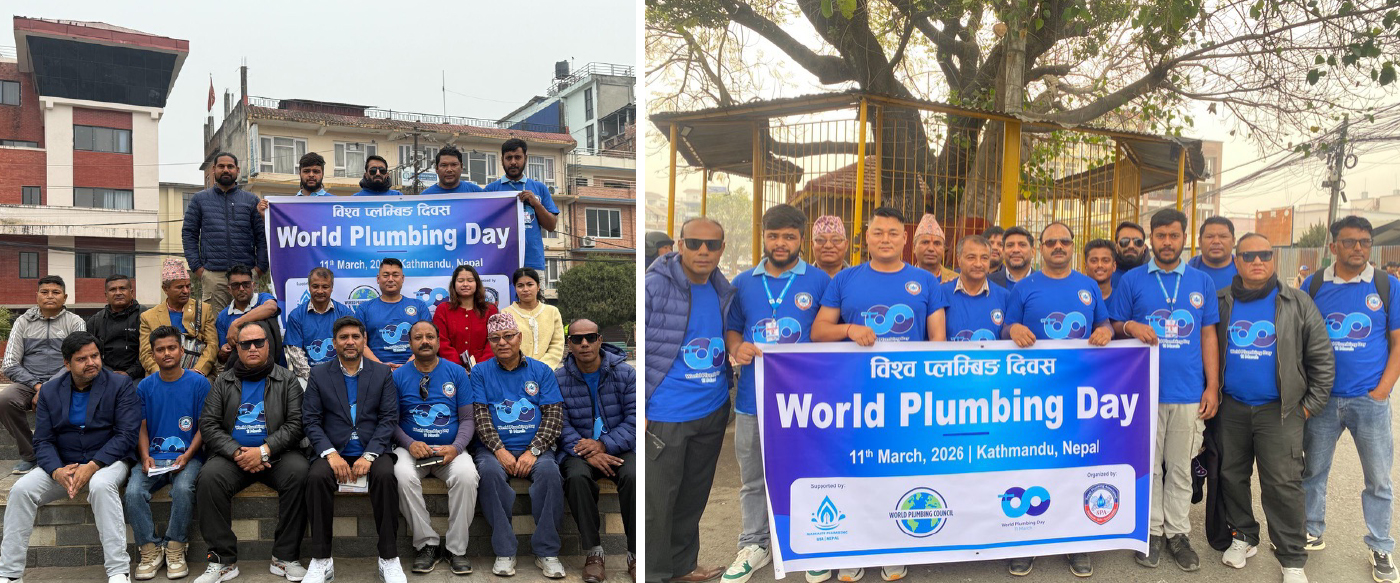
A key milestone was achieved on March 11, 2026, when Nepal officially celebrated World Plumbing Day at a national level for the first time. Organized by the NPA, the event included a public awareness march in Kathmandu, engagement with citizens on sanitation and water safety, and distribution of educational materials. This activity helped position plumbing as a public health priority and created national-level visibility for the sector.
NPA’s national framework follows a phased approach over 48 months. The process begins with workforce organization through national registration and continuous professional development. It then progresses to the development of standards, training programs, pilot implementation, and eventual integration of inspection and enforcement systems.
The framework introduces a structured certification pathway from trainee to master level. It also focuses on building domestic workforce capacity, reducing reliance on informal practices and foreign labor, and creating clear career opportunities for Nepali youth.
Plumbing plays a direct role in protecting drinking water quality, ensuring safe sanitation, and preventing disease. By introducing code-based practices, the system aims to reduce contamination risks, improve construction quality, and promote efficient use of water resources.
Nepal now has a clear and structured pathway to build a modern plumbing system.
The foundation has been established through the formation of the NPA, the launch of national-level activities, and the development of a practical implementation framework. The next step is focused execution through pilot programs, workforce development, and institutional collaboration.
This initiative is designed to be practical, scalable, and aligned with international best practices. With continued collaboration from global partners, Nepal has the opportunity to strengthen public health systems, create skilled employment, and build a resilient infrastructure sector.
The NPA remains committed to working with national stakeholders and the global plumbing community to move this effort forward in a structured and impactful way.
International Seminar on Drainage Capacity and Testing Methods of Building Sewage and Wastewater Riser Systems
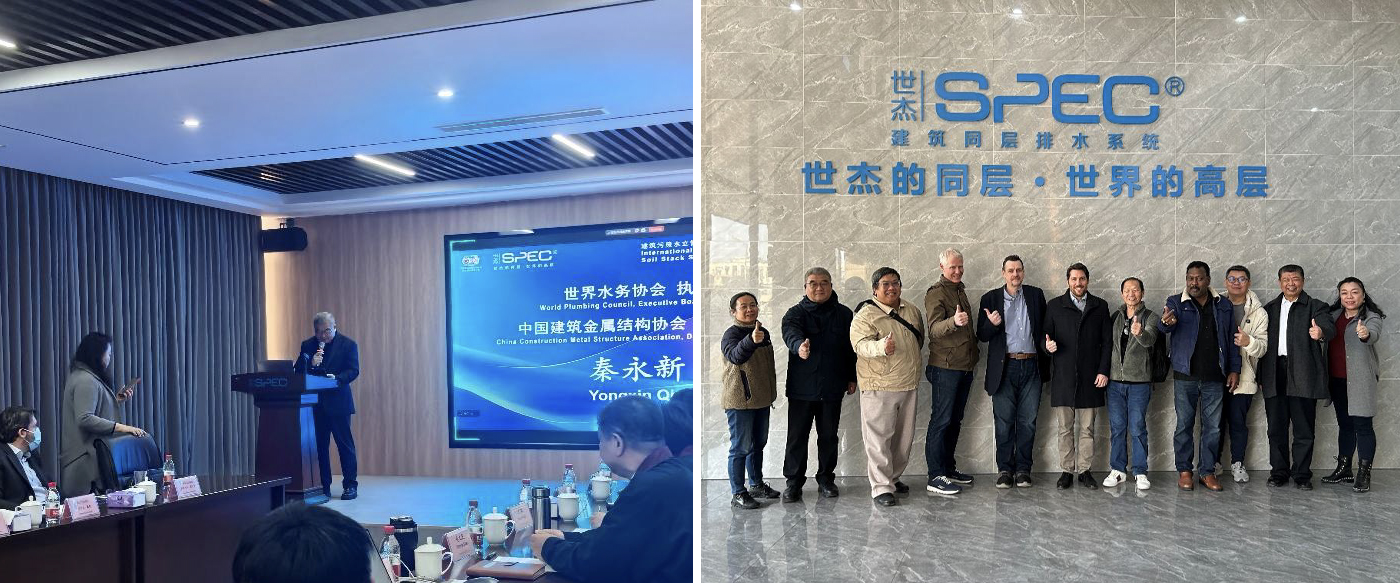
On March 8-9, 2026, the International Seminar on Drainage Capacity and Testing Methods of Building Sewage and Wastewater Riser Systems was successfully held in Ningbo, Zhejiang Province, China. The conference was led by the Water Supply and Drainage Equipment Branch of China Building Metal Structure Association, bringing together many domestic and foreign industry experts from North America, the United Kingdom, Switzerland, Singapore, and other countries, to conduct in-depth discussions on technical specifications and international standards for the drainage capacity of building sewage and wastewater riser systems.
The conference adopted a “hybrid online and offline” mode, with participants covering cutting-edge forces in the industry worldwide. Offline guests included Mr. Qin Yongxin, Deputy secretary-general of the China Construction Metal Structure Association; Ms. Li Kai(Lily Li), vice chairlady of the Water Supply and Drainage Equipment Branch of China Construction Metal Structure Association; Mr. Guan Wenmin, general manager of Ningbo Senoo Sanitary Ware Co., Ltd.; Mr. Andres Lorenz, head of Virtual Engineering at the Geberit International Group; Mr. Steven White, technical director of the Global Building Division of ALIAXIS; and Mr. Dickrose Masalamani, president of the Singapore Plumbing Society, and his team. Online guests included John Lansing, director of Pipe Standards R&D at the North American Building Center.
The meeting focused closely on the core goal of “filling the gaps in international standards and unifying industry testing specifications.” Leveraging Ningbo Sienuo’s 68-meter-high global high-frequency drainage test tower (capable of simulating drainage scenarios in buildings over 800 meters), the meeting conducted technical discussions on key topics such as testing methods for riser drainage capacity, extreme pressure fluctuations, water seal loss, types of trap primers, and data verification systems. After thorough exchanges, the meeting reached a preliminary consensus on establishing an international joint technical working group, formulated a cooperation preparation mechanism, and outlined an initial framework for standard setting, providing a unified basis for upgrading global building wastewater riser systems.
Mr. Qin Yongxin, the deputy secretary-General of the China Construction Metal Structure Association(the EB director of World Plumbing Council), said this seminar is an important practice of collaborative innovation between domestic and international industry experts and will help align China’s water supply and drainage technology closely with international standards, promoting participation of Chinese enterprises in global industry governance.
Mr. Guan Wenmin, general manager of Ningbo Sienuo Sanitary Ware Co., Ltd., pointed out that the company will take this meeting as an opportunity to deeply participate in the development of international standards based on its independently developed testing platform, contributing to technological innovation in the global building drainage industry.
Mr. Rolf Weiss, technical director of Geberit (Switzerland), and others expressed high recognition of the meeting’s outcomes, believing that in-depth exchanges between domestic and foreign experts will inject new momentum into global building drainage standards.
This seminar established a high-level dialogue platform for the domestic and international water supply and drainage industry and effectively consolidated global technological consensus. Next, relevant international cooperation preparation organizations will advance the drafting of standards, providing scientific and unified technical support for global building wastewater riser systems, and promoting high-quality and internationalized development of the industry.
WorldSkills Champions perform ‘Every Beam of Light’ at the Chinese Spring Festival Gala

WorldSkills champions featured in the annual Chinese Spring Festival Gala, showcasing Chinese culture to global audiences in one of the most watched television programmes in the world.
At the 2026 Year of the Horse Gala, the micro-musical “Every Beam of Light” gained widespread attention. During the performance, 30 WorldSkills champions appeared one after another in their professional uniforms or award attire, bringing vocational skills to the stage and presenting a new generation of skilled youth to global audiences. Together, these young people embodied the core message of the song: “Be your own light and together illuminate the future.”
Abrinstal Celebrates 20 Years of Activity at Ceremony Held at FIESP and Introduces Its Deliberative Council
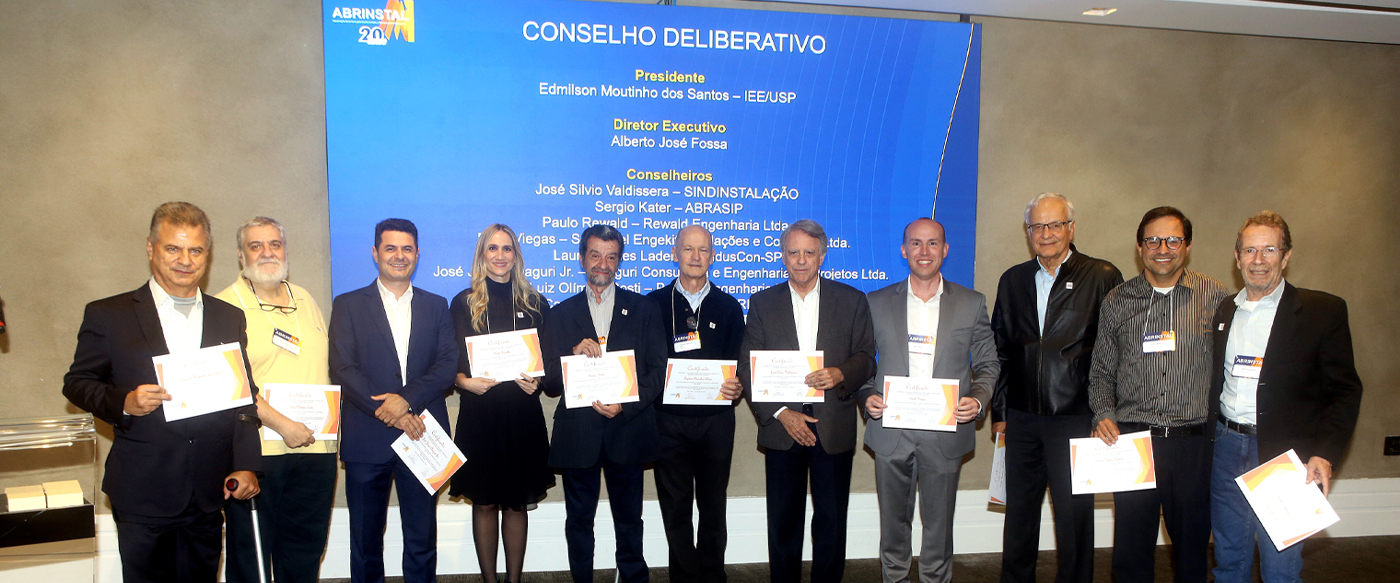
Above: Deliberative Council of Abrinstal during the celebration event of the organization’s 20th anniversary
At the event, commemorative medals from the World Plumbing Council were presented to Comgás and Sabesp.
Abrinstal — the Brazilian Association for Conformity and Efficiency of Installations — on March 11 held a ceremony celebrating its 20th anniversary at the headquarters of the Federation of Industries of the State of São Paulo (FIESP) in São Paulo. The event also marked the introduction of the Deliberative Council for the 2024–27 term and brought together representatives from various segments of the installations value chain in Brazil.
The ceremony was attended by professionals and leaders from utilities, manufacturers, installation companies, construction firms, designers, engineers, architects, academics, researchers, and industry associations — sectors that play a key role in the development of infrastructure and the quality of building installations in the country.
The WPC played a prominent role in the celebration of Abrinstal’s 20th anniversary, highlighted by the presentation of its commemorative medals to Comgás and Sabesp. The WPC Medal represents one of the most prestigious international recognitions in the plumbing and building infrastructure sector, forming part of a global initiative to honor excellence and promote sustainability, technical compliance, and infrastructure safety. This distinction acknowledges organizations, professionals, and projects that significantly contribute to improving installation quality, protecting public health and safety, and ensuring the responsible use of natural resources. Receiving this award places recipients among a select group of global leaders committed to advancing technical standards and strengthening a culture of compliance and safety worldwide. Comgás was recognized for its longstanding partnership with Qualinstal, which evolved into the current BIP — Installer Certification Program, as well as for its joint research, innovation, and development initiatives with Abrinstal. Sabesp was also honored for its strategic partnership in promoting energy management and for its recent collaboration in advancing training and certification for companies providing sanitation services.
The celebration held additional significance as it coincided with World Plumbing Day, a date that highlights the importance of plumbing systems for public health, building safety, and overall quality of life.
Over the past two decades, Abrinstal has actively promoted best practices, technical compliance, and efficiency in building installations, contributing to the advancement of the sector and to the development of a safer and more sustainable built environment in Brazil.
The ceremony reinforced the association’s commitment to continuing to engage all stakeholders across the value chain in initiatives that foster quality, innovation, and development within the installations sector. The event also featured the presentation of an institutional video highlighting the association’s 20-year history. The video can be accessed at the following link: https://www.youtube.com/watch?v=E10B9N70eyI.
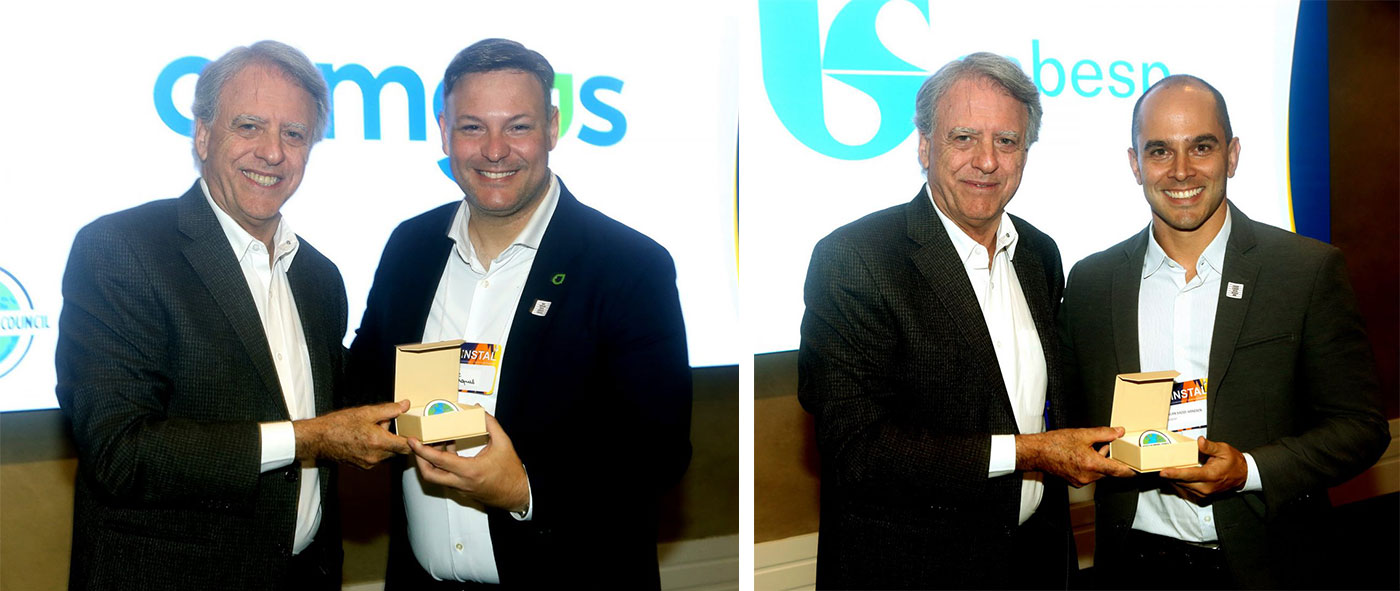
Former Abrinstal President Sílvio Valdissera presents the WPC medal to Alex Marques, Executive Engineering Manager at Comgás (left image), and to Allan Saddi Arnese, Director of Research, Development, and Innovation at Sabesp (right image).
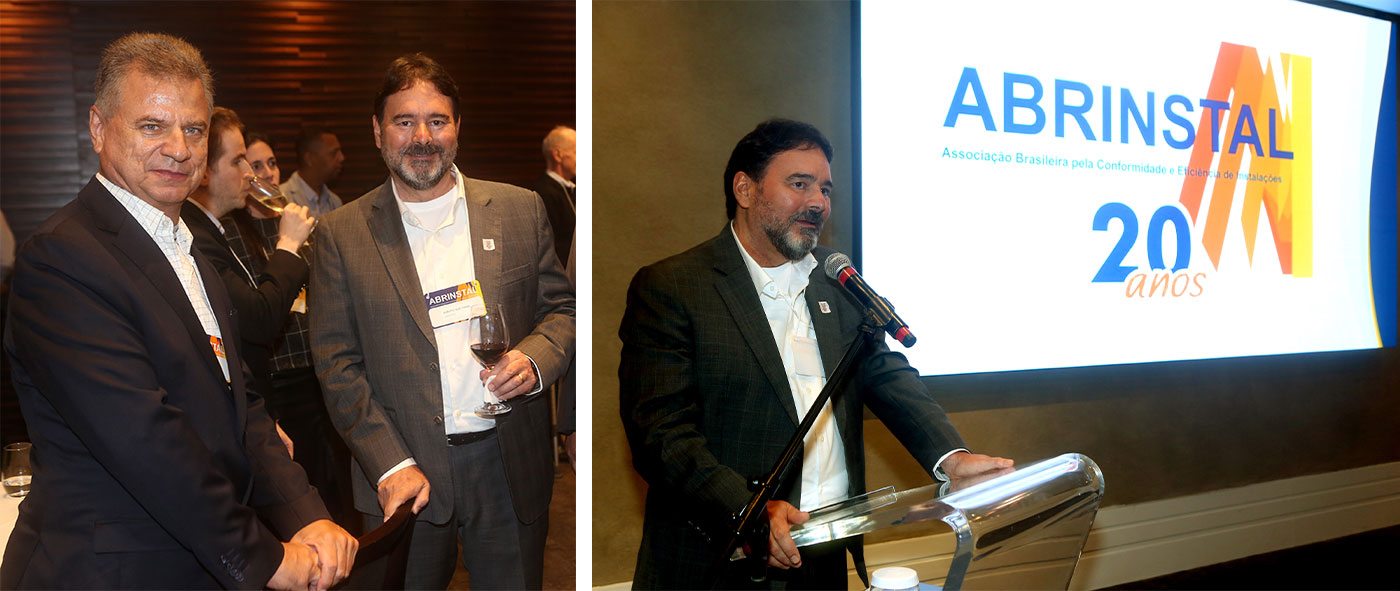
Left: Edmilson Moutinho dos Santos, President of Abrinstal (left), and Alberto J. Fossa, Executive Director (right). Right: Alberto J. Fossa, Executive Director of Abrinstal
See photos from the event at this link: https://www.abrinstal.org.br/fotos-abrinstal-20-anos/.
2026 International Water Chain Exchange Conference held in Zhengzhou
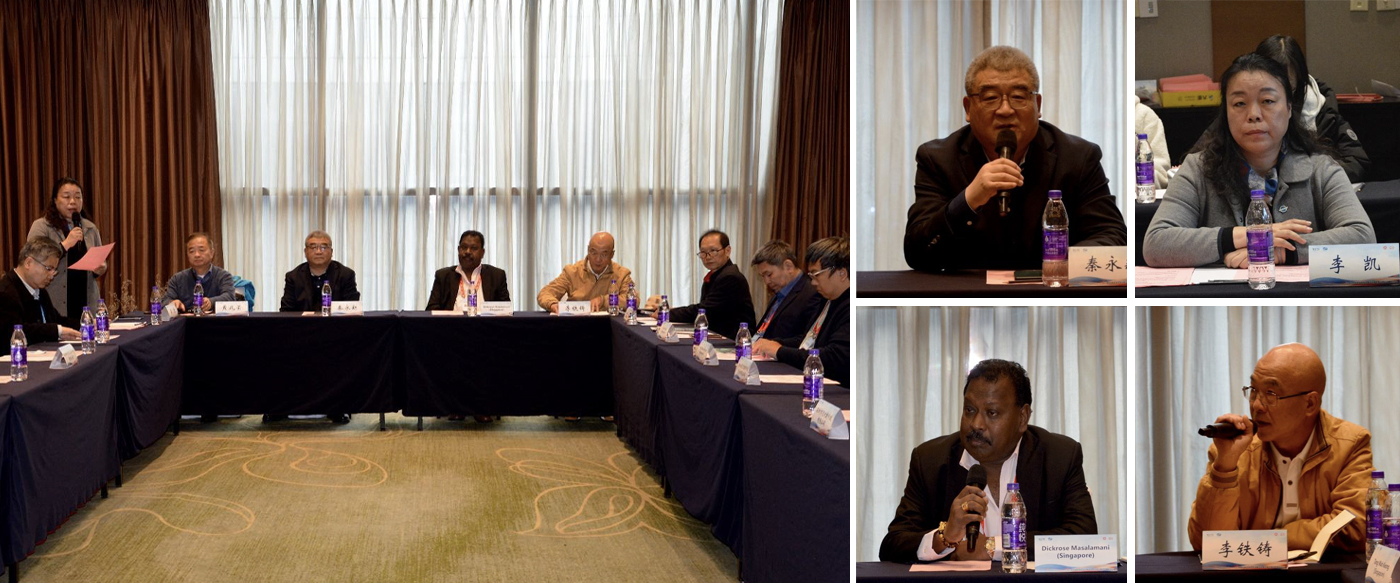
Submitted by China Construction Metal Structure Association
To deeply integrate into the global water industry development landscape and accurately assist Chinese water supply and drainage high-quality products and technologies in “going global,” the Water Supply and Drainage Equipment Branch of the China Construction Metal Structure Association organized the 2026 International Water Chain Exchange Conference in Zhengzhou on March 11. The conference, themed “Open Integration, Win-Win Cooperation,” focused on global water industry development trends, key technology applications, and cross-regional cooperation opportunities. Industry organizations and expert representatives from Singapore, Indonesia, Hong Kong, and other countries and regions were invited to attend, jointly exploring the path and direction of high-quality development in the water sector.
Guests attending the meeting included Mr. Qin Yongxin, deputy secretary-general of the China Building Metal Structure Association (the EB director of the WP); Mr. Dickrose Masalamani, president of the Singapore Pipe Society; Dr. Henry Hung, former vice president of the World Convention Association; Mr. Li Tiezhu, representative of the Amanakita Foundation in Indonesia; and Mr. Eric Hung, vice president of the Hong Kong Water Safety Society. The meeting was hosted by Ms. Li Kai(Lily Li), vice president of the Water Supply and Drainage Equipment Branch of the China Building Metal Structure Association.
In his speech, he pointed out that the development and utilization of water resources and water environment management have become major global issues. There are significant differences among countries in terms of resource endowment, development stage, and technological path, which also contain broad cooperation space. He emphasized that in the context of the accelerated reconstruction of the global water governance system, strengthening international exchanges and collaborative innovation is of great significance for promoting technological upgrades, standard enhancement, and the ‘going global’ of enterprises in China’s water industry. It is hoped that this meeting will serve as an opportunity to deepen multilateral dialogue mechanisms and promote the formation of an international cooperation pattern characterized by complementary advantages and coordinated development.
During the thematic sharing session, Masalamani systematically introduced Singapore’s water resource management system and practices in technological innovation. Tiezhu gave a thematic presentation on Indonesia’s water infrastructure construction and market opportunities.
In the interactive exchange session, participants engaged in in-depth discussions on key issues such as the construction of standard systems, product adaptability, technology application scenarios, and access to international markets. Regarding differences among countries in terms of standards, certification systems, and regulatory mechanisms, domestic enterprise representatives focused on questions about technical barriers, certification procedures, and compliance requirements encountered during product exports. Foreign experts provided targeted answers based on their national practical experiences and offered constructive suggestions on promoting standard coordination, exploring mutual recognition mechanisms for certification, and improving the international adaptability of products.
As the global water industry accelerates toward green, digital, and systematic development, cross-regional technological collaboration and industrial cooperation will become important trends.
China’s water supply and drainage industry already has a solid foundation in equipment manufacturing, engineering construction, and applied technologies. By strengthening international exchanges and cooperation, it is expected to participate in the construction of the global water governance system at a higher level.
This exchange meeting effectively established a multilateral communication and resource docking platform, further enhancing each party’s understanding and awareness of each other’s water industry development status, policy environment, and market demand. It laid a solid foundation for deeper and practical cooperation in technological exchange, standard coordination, project collaboration, and market expansion in the future, and holds positive significance for promoting the international development of China’s water industry.
Understanding the Exponential Impact of Multi-Factor Plumbing Failures
Submitted by Phil Woolhouse
Introduction
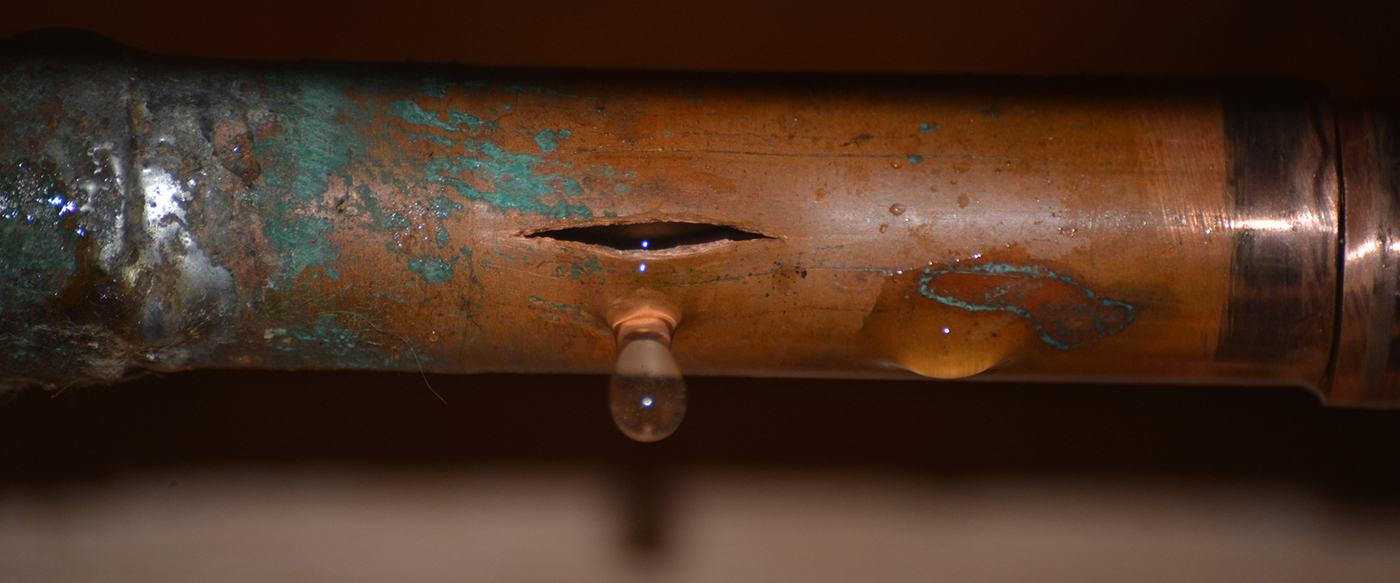
In more than a decade of investigating plumbing failures across high-rise, commercial, and residential buildings, I’ve observed a recurring pattern: plumbing failures are rarely due to a single issue. Instead, they result from a series of compounding problems that interact exponentially to accelerate system failure. This multi-factor effect demonstrates why isolated repairs rarely resolve plumbing issues in the long term and why a holistic approach is essential.
The Core Issues in Plumbing Failures
From my analysis of more than 150 buildings — high-rise commercial and residential — I’ve consistently identified several recurring factors that contribute to plumbing system failures. Not all these factors need to be present for issues to arise; even a few in combination can lead to an exponentially reduced system lifespan. While each factor is familiar to the industry, it’s their combined effect that leads to accelerated wear and reduced longevity. Here are some of the most common:
Entrained air: Entrained air can be found in both hot and cold water systems, though it’s more commonly an issue in hot water systems — especially those installed at the top of the building. According to Henry’s Law, air solubility decreases as temperature rises, resulting in more air trapped at higher elevations where the pressure is lower. These air pockets rise within the pipes due to lower density, amplifying pressure surges and contributing to cavitation erosion. When paired with thermal expansion pressure, entrained air can lead to sudden pressure drops when a tap or outlet opens, triggering water hammer or transient pressure surges that reverberate through the system.
Water hammer and pressure transients: Fast-acting taps, solenoids, and backflow valves generate pressure transients that shock the system, creating waves that can damage sections of pipe integrity over time. The Joukowsky equation can be used to calculate the peak pressure increase during water hammer events, highlighting the sudden stress this creates on piping. In homes and high-rises alike, these transients, when combined with other stressors, increase the likelihood of material fatigue and failure. Due to the use of acoustically absorbent materials like polymer pipes and flexible tap connectors, water hammer in modern systems is often silent, making it a hidden but persistent risk.
Thermal expansion pressures: With temperature variations common in both high-rise and residential systems, thermal expansion pressure is another overlooked stressor. Expansion can be especially pronounced in piping systems downstream of check valves even from a small change in the surrounding ambient air temperature. Without allowances for expansion and contraction, pipes can be exposed to significant pressure rise, leading to micro-failures that spread over time.
Pressure oscillations and harmonic resonance: These oscillations most often occur between valves, such as pressure-reducing or tank fill valves, and backflow valves at the boundary. Oscillations between these components create frequency interactions that amplify cyclic stress. These oscillations can extend into the network provider’s system, traveling significant distances and causing damage in other buildings connected to the network. Damage is most likely to occur in the regions where two pressure waves converge in a ring main, intensifying stress in these sections.
Incorrect pipe support and bracketing: Poor support or bracketing, along with inadequate allowances for movement, creates localized stress points. Insufficient support amplifies cyclic stresses and accelerates fatigue in these areas, particularly if the system is exposed to entrained air or water hammer, which can introduce additional movement into the piping. Over time, these stresses compound, significantly accelerating failures.
Oversized booster pumps: System designs with oversized booster pumps frequently cause large cyclic pressure variations, amplifying the risk of system failure. These pumps are generally fitted with small attenuators designed primarily to protect the pump from sudden shutdowns, such as power loss. However, the time it takes for system pressure to drop from the pump’s stop point to its start point is often overlooked, leading to frequent cycling during low-demand periods. This constant starting and stopping subjects the system to significant cyclic pressure variations, which greatly accelerates wear and amplifies the risk of premature failure.
Oversized pipes: Oversized pipes, often installed to meet incorrectly perceived flow demands, can lead to poor water turnover, allowing sediment and biofilm to accumulate. This buildup increases microbial levels, especially as residual disinfectant levels drop off over time. Additionally, low flow velocities in oversized pipes prevent entrained air from breaking up and discharging through outlets, causing air pockets to persist within the system. These conditions create an environment for microbial growth and stagnation, compromising water quality and system performance.
Excessive temperatures: Temperature is one of the greatest accelerators of material degradation, with failure rates doubling for every 10°C increase. This phenomenon aligns with the Arrhenius equation, which governs chemical reaction rates, including those involved in corrosion. Higher temperatures introduce more entrained air, following Henry’s Law, which creates turbulence that disrupts circulation and increases thermal expansion and contraction within pipes. This turbulence also causes cavitation, where collapsing air pockets damage copper pipes and oxidize polymer pipes, further reducing system lifespan. This principle is particularly significant in polymer pipes, where high temperatures hasten chemical degradation.
Corrosion from high levels of disinfectants: Particularly common in healthcare facilities, corrosion often results from excessive disinfectant dosing to address microbial issues. Facility managers may introduce chemical dosing systems in response to frequent microbial testing, overlooking mechanical causes such as oversized cold water ring mains without proper flow modelling or failed check valves in thermostatic mixing valves that allow hot and cold water to cross-connect. Residual chlorine levels, when too high, react with pipe surfaces and accelerate corrosion. These undiagnosed mechanical issues drive excessive disinfectant use, which, in turn, accelerates corrosion in the piping.
Cavitation: Often triggered by entrained air and turbulent flow, cavitation occurs when local pressures fall below the vapor pressure of water, causing air bubbles to collapse and generate intense localized pressure surges. This process erodes copper pipes and promotes oxidation in polymer pipes, leading to accelerated material degradation and increased failure rates.
Changes in vertical elevation: In low-pressure systems, installation practices accounted for the hydraulic gradient line, with pipes installed on slopes and air valves at high points to prevent air locking. However, as pressurized systems became standard, awareness of air management in pipes has declined. It’s now common to see plumbing pipes with frequent elevation changes, such as offsets over ducts or beams, where air pockets accumulate at high points. Oversized pipes, with low flow velocities, are unable to flush out these pockets effectively. These trapped air pockets act as hydraulic attenuators, and when a nearby tap opens, they can reverse flow conditions, causing an unexpected system pressure drop and an area of extreme turbulence as the air rushes toward the opening.
The Compounding Effect of Multiple Stressors
These issues don’t simply add up; they multiply each other’s effects. While most systems can withstand individual stressors for extended periods when installed correctly, errors in installation or design create localized weak points. These weak links are particularly vulnerable to the multiplier effect, where combined factors like entrained air, thermal expansion, and pressure transients work together to dramatically shorten the system’s lifespan and expose weaknesses.
To illustrate, consider a simplified equation representing the multi-factor failure effect:
T = nf2
For instance, a system with both entrained air and thermal expansion can experience a sudden pressure drop when a tap or outlet opens, triggering water hammer that reverberates through the pipes. This cascade effect illustrates why even minor flaws in design or installation can lead to early-stage failures in systems that otherwise appear robust.
A Call to Action: Embracing a Holistic Approach
As the plumbing industry advances, so must our approach to system resilience. Plumbing failures shouldn’t be treated as isolated events. By understanding the interconnected stressors at play, we can proactively design, install, and maintain systems to prevent costly, premature failures and enhance overall reliability, whether in high-rise buildings or single-family homes.
When designing or installing a new plumbing system, careful consideration of the factors described above is essential. Many of these issues are already familiar to the industry and are addressed within existing standards. By thoroughly addressing the known factors, we build in the resilience needed to understand and manage the more complex or emerging issues that standards may not yet fully address.
When investigating a failure, a thorough forensic approach should examine all potential multipliers, as effective rectification begins with turning off as many of these stressors as possible. Although this may sound challenging, substantial improvements can often be achieved with minimal expense, resulting in dramatic reductions in failure risk and a significant extension of the system’s lifespan. Recognizing and addressing the compounding effects of multiple, interrelated factors is essential to creating plumbing systems that stand the test of time.
Communities Across U.S. Mark March4Water and World Plumbing Day with Proclamations, Advocacy Events and Public Outreach
Submitted by IAPMO
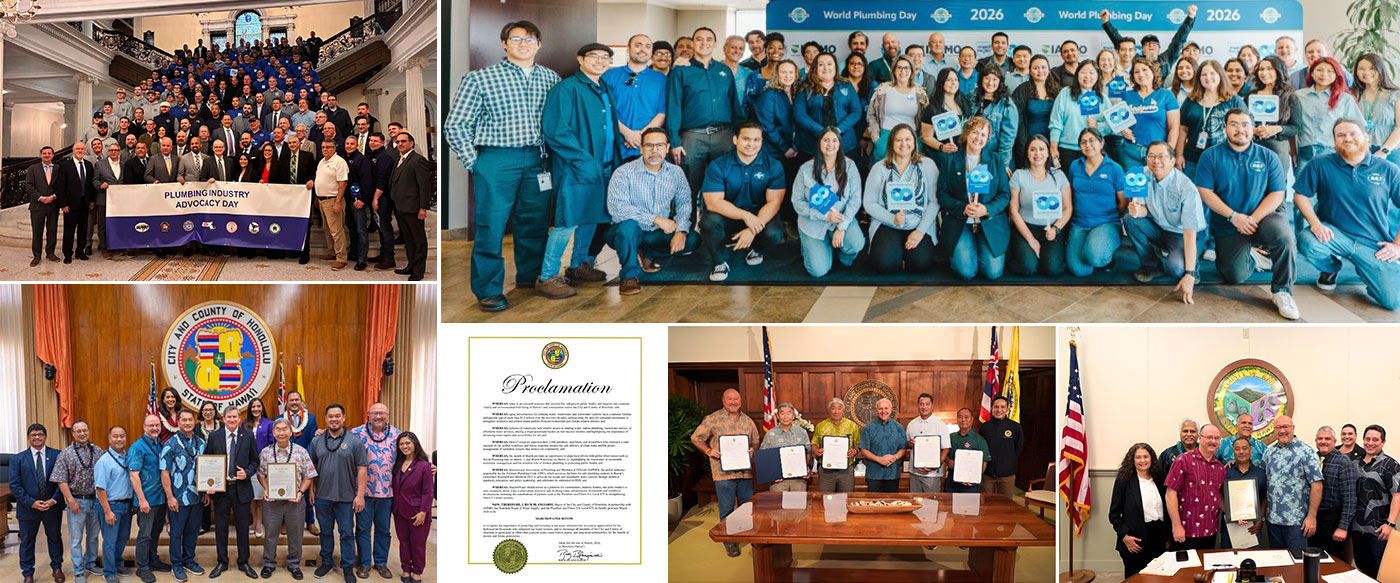
Communities across the United States joined IAPMO® in celebrating March4WaterTM and World Plumbing Day throughout March with proclamations, policy discussions, and educational events recognizing the critical role plumbing systems play in protecting public health and supporting economic growth.
March4Water is IAPMO’s annual observance month to raise awareness about how communities can build resilience to water stress. Anchored by World Plumbing Day on March 11 and World Water Day on March 22, the initiative connects policymakers and industry leaders with strategies to strengthen water resilience, improve efficiency, and support sustainable development.
“Across the country, we’ve seen governors, mayors, policymakers, and industry leaders come together to recognize the essential role plumbing systems play in protecting public health,” IAPMO CEO Dave Viola said. “These proclamations and events help shine a light on the skilled professionals who design, install, and maintain the systems that deliver safe drinking water and sanitation every day. By raising awareness through March4Water and World Plumbing Day, communities are helping ensure that the importance of this work — and the need for continued investment in water infrastructure and workforce development — remains front and center.”
Several states and municipalities formally recognized March4Water and World Plumbing Day through official proclamations.
In New Jersey, Gov. Mikie Sherrill and Lt. Gov. Dale Caldwell proclaimed March 2026 as March4Water Month, acknowledging the importance of safe, reliable water systems and the skilled professionals who install and maintain them. The state also hosted a Plumbing Industry Day on March 23, bringing together industry stakeholders to discuss water safety, infrastructure investment, and workforce development.
In New Mexico, Gov. Michelle Lujan Grisham and Secretary of State Maggie Toulouse Oliver issued a proclamation recognizing March 2026 as March4Water Month, highlighting the importance of innovative water management strategies for growing communities.
Meanwhile, the city of Honolulu declared March 2026 as March4Water Month in a proclamation signed by Mayor Rick Blangiardi, underscoring the importance of water stewardship and modern plumbing systems in protecting the islands’ water resources.
Across Hawaii, March4Water was recognized by city and county councils on four islands, where resolutions and certificate presentations highlighted the modern plumbing industry’s role in water efficiency, infrastructure resilience, and sustainable development.
“Water is one of Hawaii’s most precious resources, and protecting it requires strong infrastructure and a highly skilled workforce,” said Sam Barrett Jr., business manager of UA Local 675. “March4Water gives our communities an opportunity to recognize the vital role plumbers and pipefitters play in safeguarding public health, conserving water, and supporting sustainable growth across the islands. We’re proud to work with policymakers and industry partners to raise awareness of the solutions and the skilled professionals needed to keep Hawaii’s water systems safe, efficient, and resilient.”
In Wisconsin, Gov. Tony Evers and Secretary of State Sarah Godlewski proclaimed March 11, 2026, as World Plumbing Day statewide, recognizing the vital contributions of plumbing and water infrastructure professionals.
The proclamation noted that Wisconsin’s surface water, groundwater, and drinking water resources are interconnected through extensive plumbing and sanitation infrastructure and emphasized the need for innovative solutions — including water reuse systems, right-sizing plumbing systems, and fixture upgrades — to address aging infrastructure while protecting public health and ensuring affordability.
It also highlighted the growing need for skilled professionals as a significant portion of the nation’s water infrastructure workforce approaches retirement.
In Massachusetts, plumbing professionals gathered at the Massachusetts State House for the annual Plumbing Industry Advocacy Day on March 11, World Plumbing Day, meeting with nearly 50 legislators to promote policies that protect water supplies and strengthen the plumbing workforce.
Participants included members of Plumbers and Gasfitters Local 12, the Greater Boston Plumbing Contractors Association, PHCC of Massachusetts and other industry organizations.
“When we protect water, we protect life,” said James Vaughan, business manager for Local 12. “There is nothing more important than water safety.”
Advocacy discussions focused on water conservation initiatives, gray water reuse, infrastructure investment, lead removal, PFAS mitigation, and emerging technologies supporting the future of the water and energy sectors.
Through March4Water, IAPMO continues to highlight water efficiency as one of the most cost-effective strategies available to communities facing increasing water demand and aging infrastructure. Technologies such as the IAPMO Water Demand Calculator®, high-efficiency fixtures, and onsite water reuse systems can reduce strain on municipal water systems, lower construction costs, and help communities accommodate growth while protecting drinking water supplies.
Equally important is the development of a skilled workforce capable of installing and maintaining these systems. IAPMO provides certification programs and training in water efficiency, water auditing, and backflow prevention to help ensure communities have the expertise needed to support modern water infrastructure.
Throughout the month, IAPMO marked March4Water by lighting World Headquarters buildings in blue, distributing World Plumbing Day activation kits, and hosting city dignitaries and industry leaders at a lunch celebration on World Plumbing Day, including a Rube Goldberg competition challenging departments to build the best contraption demonstrating the theme of “Plumbing Connects.”
IAPMO also recognizes the ongoing leadership of the World Plumbing Council, whose global promotion of World Plumbing Day continues to highlight the vital work of plumbing professionals in safeguarding safe water and sanitation for communities around the world.
Help the World Plumbing Council Grow
Do you know of an organization or individual interested in joining the WPC? Share this link (https://www.worldplumbing.org/shop/) so they can join and become part of our global plumbing community!
Dates for Diary
World Plumbing Conference 2026 / InstallerSHOW
23–25 June
NEC Birmingham, UK
wpc2026.com
IAPMO 2025 Annual Education and Business Conference
13-17 September
Hollwood, CA, USA
iapmo.org
WaterSmart Innovations
21-23 October
Portland, OR, USA
watersmartinnovations.com
ISH 2027
15-19 March 2027
Frankfurt am Main, Germany
ish.messefrankfurt.com
Contact secretariat@worldplumbing.org to provide an event report or request listing of an upcoming event.