FIRST QUARTER 2026 | Chair’s Message
 As I reflect on the steady progress of our global plumbing community, I am reminded that our profession’s greatest strength lies not only in the systems we design and install, but in the people who carry our mission forward. Across continents and cultures, we are united by a shared purpose: protecting public health, advancing sustainability, and ensuring access to safe water and sanitation for all.
With that in mind, I would like to take a moment to extend heartfelt congratulations to the 2025 World Plumbing Council Scholarship Award winners. These individuals exemplify the promise of our industry’s future.
- Alphonse Tuyisenge of Rwanda has been awarded the United Association Instructor Training Program Scholarship, an opportunity that will further strengthen technical education and instructional leadership.
- Justine Nambi Nansubuga of Uganda is the recipient of the Education and Training Scholarship, recognizing her commitment to professional development and skills advancement.
- Felix Augustine of Nigeria has been awarded the Least Developed and Developing Countries Scholarship, supporting growth and knowledge-sharing in regions where plumbing infrastructure development is especially critical.
Each of these recipients represents the power of education to transform lives and communities. We look forward to seeing the lasting impact of their work.
WPC Conference – Birmingham
Excitement is building for the upcoming triannual World Plumbing Council Conference in Birmingham, United Kingdom, from 23 – 25 June 2026. This gathering is far more than a meeting — it is a global exchange of ideas, innovation, and collaboration that shapes the direction of our profession.
A sincere and enthusiastic thank-you to our host, the Chartered Institute of Plumbing and Heating Engineering (CIPHE), whose leadership and hospitality are ensuring a world-class event. Their commitment to excellence reflects the very best of our industry.
We are also deeply grateful to our sponsors. Their generous support makes it possible for us to convene experts, educators, manufacturers, regulators, and contractors from around the world to share best practices and forge meaningful partnerships.
If you have not yet registered, I strongly encourage you to do so. Birmingham promises to deliver insight, inspiration, and invaluable networking opportunities. I look forward to seeing many of you there.
Leadership Announcements among WPC members
Leadership renewal is essential to progress. We are pleased to recognize Ashleigh Dalmau on her appointment as chief executive officer of the Master Plumbers and Mechanical Services Australia. She is a tremendous addition to the plumbing industry, bringing energy, expertise, and a forward-looking perspective that will benefit both her organization and the broader profession.
We would also like to congratulate Albert Perfecto on his appointment as president of the Philippine Society of Sanitary Engineers, Inc., the country’s only accredited professional organization of sanitary engineers.
Strong leadership across our member organizations ensures that our industry continues to evolve, innovate, and attract the next generation of skilled professionals.
March4Water and World Plumbing Day
This month IAPMO asks us to celebrate March4Water 2026, raising awareness about how communities can build resilience to water stress. This year’s theme, “Water Solutions for Growing Communities,” highlights how water efficiency provides a proven path forward for policymakers working to support economic growth while protecting vital drinking water supplies.
This week, 11 Marc, also marks World Plumbing Day, a time to recognize how plumbing creates a global network of skilled professionals, pipes, and standards that connect people everywhere to health, opportunity, and one another. Be sure to wear blue and show your solidarity with the industry.
Decades of Service
This year also marks a remarkable milestone for one of our member organizations. In December, representatives of the World Plumbing Council were honored to attend the United Nations Water Conference in the Middle East. The event continues to grow in stature and importance, drawing policymakers, industry leaders, and water advocates from around the globe. It is inspiring to witness the increasing recognition of plumbing as a cornerstone of public health, climate resilience, and sustainable development. Our participation ensures that the voice of the plumbing profession is heard in these critical global conversations.
Looking Ahead – WPC Awards
In the months ahead, please keep an eye out for information regarding the World Plumbing Council Awards. We will soon be seeking nominations to recognize outstanding contributions to our profession. In addition to the Distinguished Service Award, we are preparing to introduce new awards that will further highlight innovation, leadership, and service within our global community. I encourage you to consider nominating colleagues whose work deserves international recognition.
As always, thank you for your continued dedication to advancing the plumbing profession worldwide. Together, we are building healthier communities, strengthening our workforce, and shaping a more sustainable future.
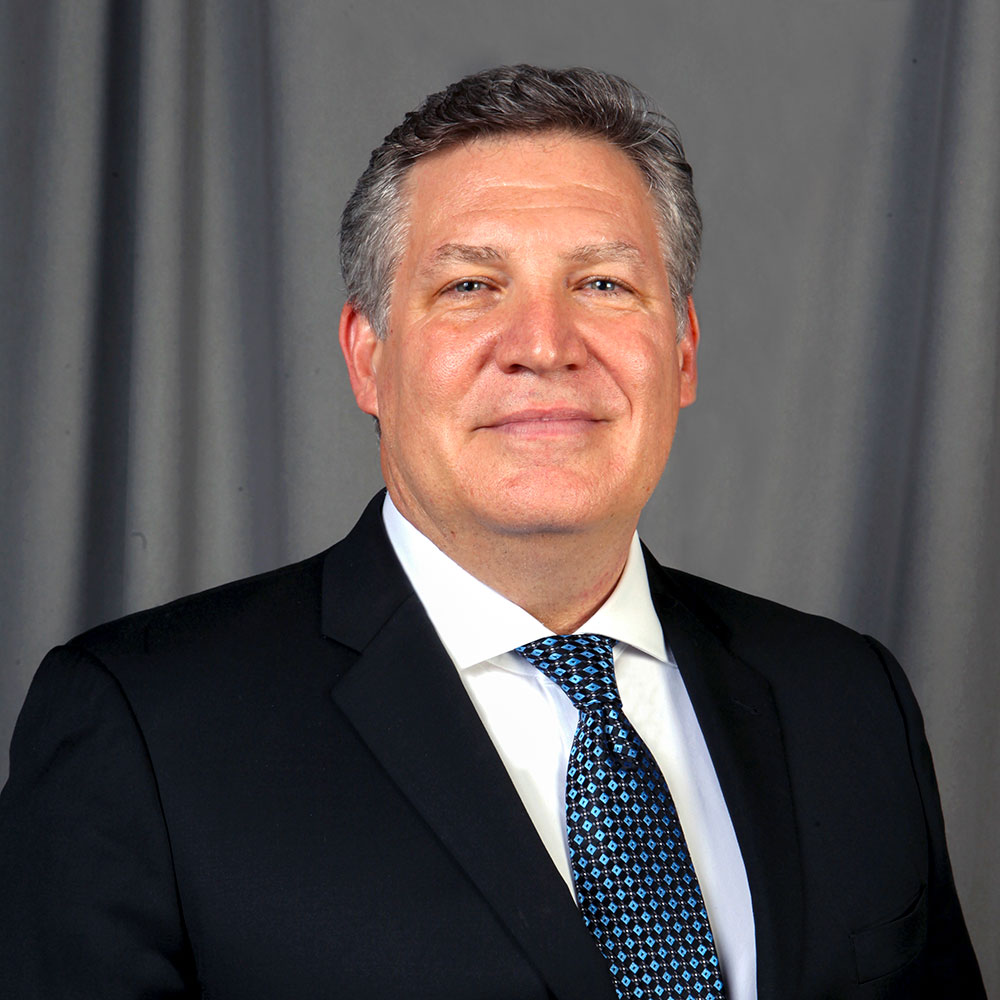
Dave Viola
Chair, World Plumbing Council
IN THIS ISSUE:
Celebrate What Connects Us: World Plumbing Day, March 11
The World’s Plumbing Community Meets in Birmingham in 2026
Safeguarding Public Health Through Lead-Free Plumbing
BPEC Charity Supports Two Overseas Water & Sanitation Projects
IAPMO Oceania Opens Energy Efficiency and Appliance Safety Laboratory
A Unified Vision: Queensland’s Plumbing & Gas Sector to Convene for 2026 Landmark Event
World Plumbing Day & Technical Workshop on Plumbing Systems
Abrinstal Celebrates 20 Years and Presents Its New Board
Singapore’s Integrated Approach to Water Quality, Plumbing Materials and Environmental Protection
IPA Summit 2026 – 4 February 2026, Bengaluru
Six Months In: Ashleigh Dalmau Focused on Practical Leadership for Australia’s Plumbing Industry
Celebrate What Connects Us: World Plumbing Day, March 11
Plumbers: March 11 Is Your Day
Every day, you connect communities to health, safety, and prosperity. On World Plumbing Day, the spotlight is on you and the vital connections you make.
How Plumbing Connects the World
- Connects Health and Wealth — You maintain the networks that enable essential services such as health care, education, and commerce through reliable water supply and wastewater management.
- Connects Innovation — You drive the transition to sustainable water management by connecting technology, professional expertise, and global best practices.
- Connects Opportunities — Your profession offers diverse career paths that combine technical skill, problem-solving, and the opportunity to make a meaningful difference within communities.
- Connects Communities — You play a vital role in restoring connections after disruptions, helping communities recover by bringing essential water and sanitation services back online.
- Connects Challenges to Solutions — You address complex challenges, such as water scarcity and poor water quality, by improving the performance and affordability of connected systems.
- Connects Everyone — You advance equitable access by designing and maintaining systems that deliver safe, reliable water for health, dignity, and quality of life.
Go Blue on March 11
Join plumbing professionals across more than 70 countries. Wear blue, snap a crew photo, and post it with #WorldPlumbingDay.
When thousands of plumbers do this together, it creates powerful visibility for our profession.
Your five-minute action = massive collective impact.
Go Blue — Get Participation Ideas: https://www.worldplumbing.org/worldplumbingday
The World’s Plumbing Community Meets in Birmingham in 2026
Submitted by CIPHE, United Kingdom
The World Plumbing Conference 2026 will unite the global plumbing and water community from 23- 25 June 2026 at the NEC Birmingham, delivering three days of insight, innovation and skills excellence alongside InstallerSHOW. Under the theme “Worldwide Problems, Global Solutions,” the conference will explore how the profession can respond to the major challenges facing water, sustainability and public health worldwide.
Each day of the conference will follow a focused theme, shaping a programme of keynote presentations, panel discussions and technical sessions centred on skills development, supply and conservation, sustainability, and safeguarding the public. The content has been designed to provide both strategic perspective and practical takeaways for professionals working across plumbing, manufacturing, engineering and policy.
The opening day will spotlight sustainability and water stewardship, led by keynote speaker Claire O’Neill CBE, who will address the Global Plumbing Commitment and the industry’s role in protecting vital water resources. She will be joined by leading voices including Feargal Sharkey OBE, Chris Hines MBE, and Dr Doulaye Koné of the Gates Foundation, bringing global insight into water quality, sanitation and long-term environmental responsibility. Broadcaster Tom Heap will moderate key discussions, while Daphne Doody-Green will contribute expertise on strategic change and future leadership.
A major highlight of the programme will be the World Plumbing Conference Skills Forum, delivered in partnership with WorldSkills and IWSH. This live training workshop and competitive environment will showcase emerging plumbing talent from around the world, demonstrating advanced techniques in installation and system configuration and reinforcing the critical importance of skills and standards across the profession.
Delegates will also benefit from extensive networking and social events, including welcome receptions and the gala dinner and awards evening, providing opportunities to connect with international peers, industry leaders and decision-makers.
With visitors expected from more than 20 countries and access to hundreds of exhibitors through InstallerSHOW, the World Plumbing Conference 2026 offers a unique opportunity to exchange ideas, build partnerships and gain insight into how plumbing is shaping the future of sustainable development and public health.
Register today and start planning your trip to the UK.
Safeguarding Public Health Through Lead-Free Plumbing
Submitted by the Plumbing Industry Climate Action Centre, Australia
Safeguarding public health through safe drinking water sits at the heart of the World Plumbing Council’s mission. High-quality plumbing systems — and the skilled plumbers who design, install and maintain them — play a critical role in protecting communities by ensuring water remains clean, safe and fit for consumption.
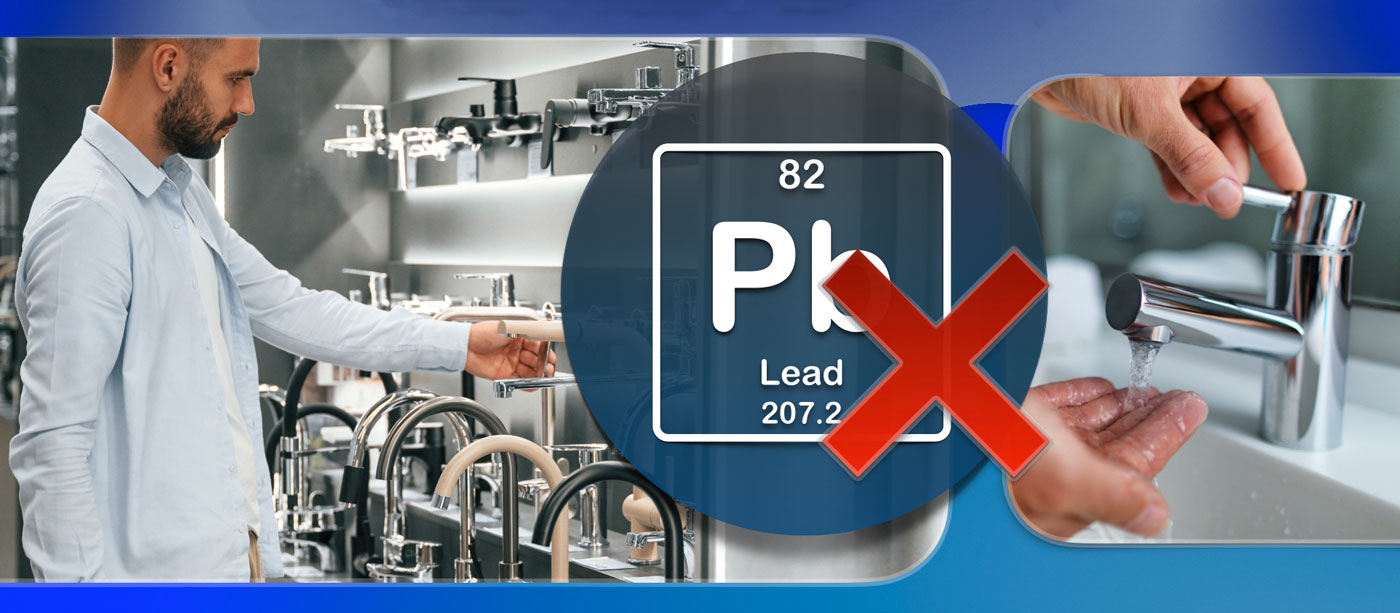
One of the most significant risks to drinking water safety is lead. Lead is a potent toxicant, and there is no safe level of exposure. Minimising opportunities for lead to enter drinking water systems is therefore essential. A well-documented pathway for contamination is the leaching of lead from plumbing fixtures, fittings and components that contain lead.
Over recent decades, as the health impacts of lead exposure have become better understood, substantial progress has been made globally. Many jurisdictions have significantly reduced the allowable lead content of plumbing products, supported by strengthened standards, regulatory reform and professional practice. This progress reflects a growing recognition that plumbing systems — and the plumbers who specify and install them — are fundamental to protecting public health.
Across the world, governments are acting. In the United States, a 0.25% weighted average lead limit for plumbing products has been in force since 2014, with Canada adopting the same standard in 2013. The United Kingdom banned lead solder in plumbing more than 30 years ago, and its regulations prohibit lead pipes and fittings. Singapore and Hong Kong have also progressively tightened controls on lead-containing plumbing materials in potable water systems.
New Zealand deserves particular recognition for maintaining its commitment to public health by proceeding with the 0.25% low-lead standard from May 2026. Despite global supply chain disruptions and economic pressures, New Zealand’s decision provides an important example of regulatory leadership and consistency, reinforcing confidence for industry and, most importantly, protecting consumers.
The European Union is moving even further, introducing a stringent 0.1% lead limit for new plumbing products from December 2026 under its revised Drinking Water Directive. This decisive action reflects the clear scientific consensus that reducing lead at the source is the most effective means of protecting drinking water quality.
In Australia, there is strong industry support for the transition to low- and lead-free plumbing products. Australian manufacturers and suppliers are already producing and distributing compliant products, and plumbers are installing them in homes and buildings. A national low-lead certification scheme exists, with compliant products carrying a recognised certification mark indicating a maximum lead content of 0.25%.
However, Australia has recently diverged from international momentum. The Australian Building Codes Board (ABCB), which oversees the Plumbing Code of Australia, has delayed the regulated transition to the 0.25% standard from 2026 to 2028. The decision was intended to allow the sell-down of existing certified stock accumulated during the pandemic and other global disruptions.
While this decision was framed as a transitional measure, it has been disappointing for many in the plumbing industry. It creates regulatory uncertainty, disadvantages manufacturers who invested early to meet the original deadline, and risks Australia becoming a destination for higher-lead products that are no longer acceptable in other markets.
More importantly, delays in reducing lead exposure raise genuine public health concerns — particularly for children and pregnant women. Lead accumulates in the body and can cause lasting damage to the brain, kidneys, liver and cardiovascular system. Even very low levels of exposure are now linked to reduced cognitive development, behavioural disorders and long-term health impacts.
History provides sobering reminders of what can occur when lead in drinking water is not adequately controlled. High-profile incidents in cities such as Flint, Michigan, and Washington, D.C. — in the United States — and elsewhere have demonstrated how changes in water chemistry combined with lead-containing plumbing materials can result in widespread exposure, loss of public trust, and long-lasting health consequences. These incidents consistently highlight the critical importance of plumbing materials, installation practices and ongoing professional oversight.
The World Health Organization has repeatedly stated that the most effective way to reduce lead exposure is to eliminate lead at the source. Australia’s National Health and Medical Research Council has similarly urged governments to remove non-essential uses of lead wherever practicable.
The link between plumbing products and lead in drinking water is well established. Brass and chrome-plated fixtures may contain lead that can leach into water, particularly under certain conditions such as stagnation or elevated temperatures. Research, including Australian studies, confirms that specifying low-lead plumbing materials is one of the most effective risk-reduction strategies available.
Plumbers, therefore, sit at the front line of public health protection. They are the gatekeepers of the drinking water system — making critical decisions about product selection, installation and replacement that directly affect water quality at the point of use. Every fixture specified, every joint installed, and every product recommended represents an opportunity either to reduce or to perpetuate lead exposure.
Despite the regulatory delay, momentum within the Australian plumbing sector toward lead-free outcomes remains strong. Many plumbers, suppliers and manufacturers continue to prioritise low-lead and lead-free products, driven by professional responsibility and a clear understanding of the health implications.
While the postponed regulatory transition is disappointing, it has also renewed attention on an issue of fundamental importance. The heightened focus on lead has strengthened industry awareness, reinforced the vital role of plumbers, and underscored the shared responsibility to protect drinking water quality.
Globally, the direction of travel is clear. The move toward lead-free plumbing systems is inevitable — and essential. By continuing to champion best practice, support informed product choices, and recognise plumbers as guardians of public health, the global plumbing community can play a decisive role in delivering safer water and healthier communities for generations to come.
BPEC Charity Supports Two Overseas Water & Sanitation Projects

Submitted by BPEC – United Kingdom
The BPEC Charity has provided one-off donations to two overseas initiatives delivering vital improvements in water, sanitation and hygiene across Africa. Each organisation has received £1,500 to support practical, on-the-ground work that aligns with BPEC’s long-standing commitment to public health and plumbing education. These two programmes stood out for the direct, tangible impact they make in their communities.
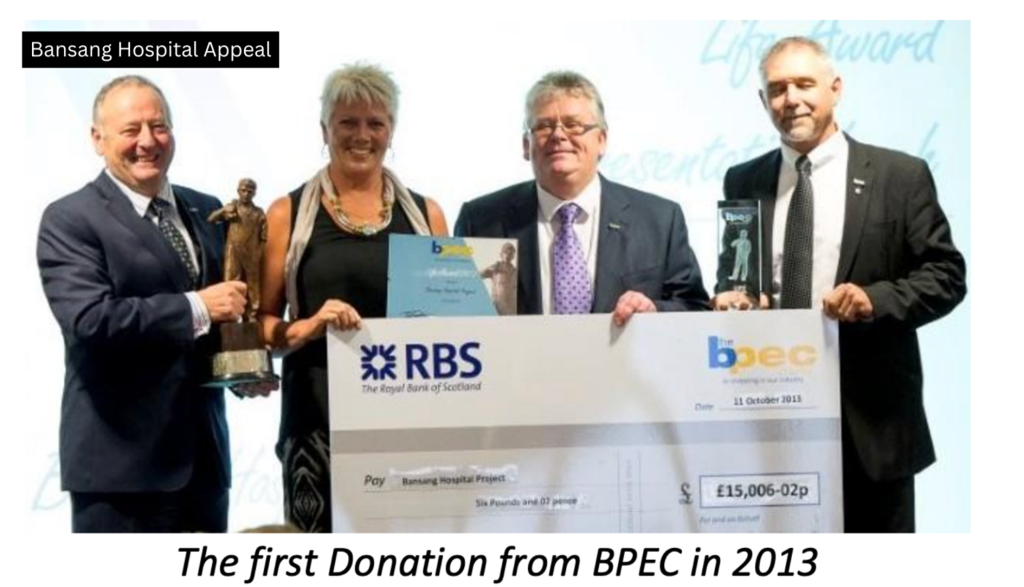 Bansang Hospital Appeal — The Gambia
BPEC has a long relationship with the Bansang Hospital Appeal and its founder, Anita Smith MBE MRG. In 2014, BPEC representatives Neil Collishaw, CEO, and Mark Antrobus, trustee, visited the hospital to see and support the charity’s work firsthand, and BPEC have continued to follow their progress closely.
The Bansang Hospital Appeal continues to demonstrate how targeted infrastructure investment can transform health care delivery in one of the most resource-challenged regions of The Gambia. In 2024 alone, the hospital’s Children’s Unit treated 2,673 young patients, many with life-threatening conditions where reliable water, sanitation, and clinical hygiene systems are essential. The new Intensive Care Unit will serve a catchment area of more than 600,000 people, and BPEC’s contribution toward plumbing materials directly supports the safe operation of this life-saving facility.
Village by Village – Ghana
Village by Village is an independent charity delivering hygiene, water and education projects across rural Ghana. Their work came to our attention through their links with the Worshipful Company of Plumbers, and following a productive meeting with founders Neil Kerfoot and Anna Kotsonouris, the trustees agreed the initiative was an excellent fit for our charitable aims.
Village by Village’s “Clean Water Saves Lives” initiative has already delivered 36 school projects, reaching more than 9,000 children. Their gravity-fed systems, rainwater harvesting installations, and child-friendly handwashing stations significantly reduce waterborne disease and improve school attendance. Monitoring shows a 22% increase in handwashing and more than a 20% reduction in reported diarrhoeal illness in participating schools, clear evidence of the long-term public health benefits.
BPEC CEO Neil Collishaw said, “As a charity rooted in the plumbing industry, we’re always looking for ways to support projects that make a genuine difference through practical solutions. Both organisations share that ethos, and we’re pleased to help them continue their important work.”
Looking Ahead
The BPEC Charity’s trustees intend to concentrate funding on UK initiatives throughout 2026. Please keep an eye out for our Charity updates next year.
Beyond the Plant Boundary — Why Endpoint Management Defines Water Safety, Public Trust, and System Performance
Submitted by Ryan Milne, Ecosafe International, CEO, Australia
Despite unprecedented global investment in advanced water treatment, innovative plumbing fixtures, potable reuse schemes, and decentralised water systems, water-related incidents continue to erode public confidence, damage organisational reputations, and challenge regulatory acceptance. Critically, many of these failures occur in systems where upstream treatment plants and associated plumbing meet design specifications, validation requirements, and performance criteria.
This paradox points to a persistent blind spot in water governance — plumbing system end-point management. This article advances the suggestion that public health outcomes, regulatory confidence, and public trust are ultimately determined not at the treatment plant boundary, but within the plumbing systems that deliver water to the point of use. Inadequate end-point management within plumbing infrastructure represents one of the most significant, and least effectively controlled, risks across the global water sector.
The Plumbing System as the Final Public Health Interface
Plumbing systems are the largest, most complex, and most variable component of the water supply chain. They include pipework, fittings, valves, fixtures, storage, and outlets that sit beyond the traditional remit of utilities but directly determine water quality at the point of consumption or use. It is within these systems that temperature loss, stagnation, biofilm growth, cross-connections, material interactions, and human behaviours converge to create conditions that treatment processes alone cannot control.
Evidence from real-world implementation across complex asset portfolios in health care facilities, commercial buildings, utilities, mine sites and industrial water systems consistently demonstrates that many water safety incidents originate downstream of compliant treatment plants, within plumbing assets that are poorly governed, inconsistently monitored, or operationally invisible. Audits, investigations, incidents, and near misses reveal recurring patterns: water safety plans that are well documented but weakly operationalised at the point of use; unclear accountability between designers, installers, operators, and owners, and a reliance on reactive sampling rather than continuous system intelligence.
Water Safety Plans Stop Where Plumbing Accountability Starts
While water safety plans are now widely adopted internationally, their effectiveness is fundamentally constrained by how they are applied within plumbing systems. Too often, the endpoint is treated as an assumption rather than an engineered and managed control. Plumbing assets are commissioned and then effectively disappear from structured risk management frameworks, despite representing the most direct exposure pathway to users.
At the same time, digital water initiatives have largely focused on treatment optimisation, asset efficiency, and network performance. In contrast, plumbing endpoints, despite their scale and variability, remain largely excluded from systematic digital oversight. The result is a gap between compliance on paper and performance in practice, where risks are only identified after failure rather than anticipated and proactively prevented.
Repositioning Plumbing as a Risk-Critical Discipline
Effective and practical endpoint management requires a framework that repositions plumbing systems as risk critical public health infrastructure, not merely delivery assets. The framework integrates:
- Clear governance and accountability for plumbing endpoints
- Asset level controls aligned to health-based performance objectives
- Defined operational and maintenance activities at fixtures and outlets
- Digital platforms that convert endpoint data into actionable risk intelligence.
Where this approach has been embedded, organisations demonstrate earlier risk detection, stronger auditability, reduced incident frequency, and materially improved regulatory and public confidence. Importantly, it elevates the role of plumbing professionals, from installers and maintainers to custodians of water safety outcomes, recognising their vital contribution to public health protection.
Looking Ahead at the Changing Water Landscape
As potable reuse, decentralised systems, and alternative water sources expand globally, reliance on plumbing systems as the final control barrier will only intensify. Without robust endpoint governance, the benefits of upstream innovation are undermined, and public trust is placed at risk.
Digital endpoint management provides a pathway to move from reactive compliance to predictive risk control, embedding accountability for water quality into daily plumbing operations, regulatory audits, and organisational governance. This is not simply a technical evolution, but a cultural one, requiring the plumbing sector to be recognised, empowered, and integrated as a core pillar of water safety strategy.
Conclusion
Effective endpoint management is the final barrier protecting public health, the primary determinant of public trust, and a cornerstone of resilient, risk-based water governance. Regulatory acceptance and societal confidence are ultimately won or lost at the tap, the shower, and the outlet.
By reframing plumbing systems as the decisive interface between engineering performance and human outcomes, this article seeks to provide practical, transferable guidance for the global plumbing community and positions end-point management as a critical frontier in delivering safe, trusted, and future-ready water systems.
References
- A. I. Al-Zarah, Drainage Water Quality Evaluation for Irrigation in Al-Ahsa Oasis, Saudi Arabia, Research Journal of Environmental Toxicology, 9, pp. 13–15, 2015.
- U. Amos Branch and P. Le-Clech, National Validation Guidelines for Water Recycling: Membrane Bioreactors, Australian Water Recycling Centre of Excellence, November 2015.
- Waterval, Membrane Bioreactor Validation Protocol, Australian WaterSecure Innovations Ltd, Brisbane, 2017.
IAPMO Oceania Opens Energy Efficiency and Appliance Safety Laboratory
Submitted by IAPMO Oceania, Australia
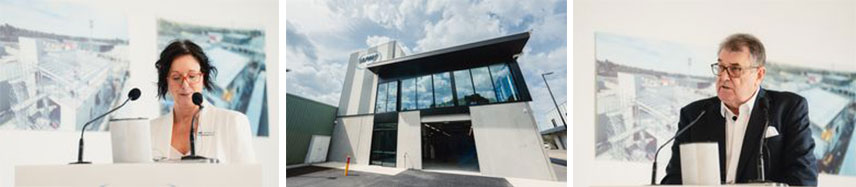
Left: Kendra Hudson – IAPMO Oceania Business Operations Manager; Center: New IAPMO laboratory in Narre Warren; Right: Paul Bonsak OAM – IAPMO Oceania Managing Director
IAPMO Oceania has officially opened its Energy Efficiency and Appliance Safety Laboratory in Narre Warren, Victoria, a major new facility designed to support the safe introduction of energy-efficient and renewable technologies into Australian homes and businesses.
The laboratory was formally opened by the Hon. Danny Pearson MP, Minister for Economic Growth and Jobs and Minister for Finance, alongside IAPMO CEO Dave Viola and Paul Bonsak OAM, managing director of IAPMO Oceania. The opening brought together government, industry, manufacturers and technical experts to mark a significant milestone in strengthening Australia’s approach to product safety during the energy transition.
The new laboratory enables local testing and certification of the next generation of energy-efficient and renewable technologies, including heat pumps, advanced gas appliances and emerging hybrid systems. As the pace of technological change accelerates, this capability plays a critical role in ensuring innovative products are safe, reliable and fit for Australian conditions before entering the market — supporting manufacturers, installers and consumers as global supply chains expand.
Purpose-built to accommodate evolving technologies, the laboratory features advanced testing environments and specialist equipment designed to adapt as products and standards continue to change. It supports Victoria’s role as a leader in standards, safety and innovation, while helping industry keep pace with the rapid transformation underway across the energy sector.
The laboratory also forms part of a broader ecosystem supporting workforce capability and industry readiness. IAPMO Oceania will work closely with industry and training partners, including the Plumbing Industry Climate Action Centre (PICAC), to ensure that product testing and certification is matched by high-quality training and skills development. This collaboration recognises that product safety depends not only on rigorous testing, but also on informed installation and maintenance.
Viola said the new facility reflects IAPMO’s long-standing commitment to public safety and technical integrity.
“It strengthens Oceania’s capability to support emerging technologies while maintaining the high standards that communities and regulators expect,” he said.
Bonsak said the laboratory will play a critical role in ensuring Australia’s energy transition is delivered safely and with confidence.
“As new technologies enter the market at pace, independent testing and certification are essential to protect consumers, support industry and ensure products perform as intended,” he said.
The opening of the Energy Efficiency and Appliance Safety Laboratory represents a long-term investment in safety, innovation and industry capability. As Australia’s energy transition accelerates, the facility positions Victoria, and IAPMO Oceania, at the forefront of ensuring new technologies deliver cleaner, safer and more reliable outcomes for communities across the region.
A Unified Vision: Queensland’s Plumbing & Gas Sector to Convene for 2026 Landmark Event
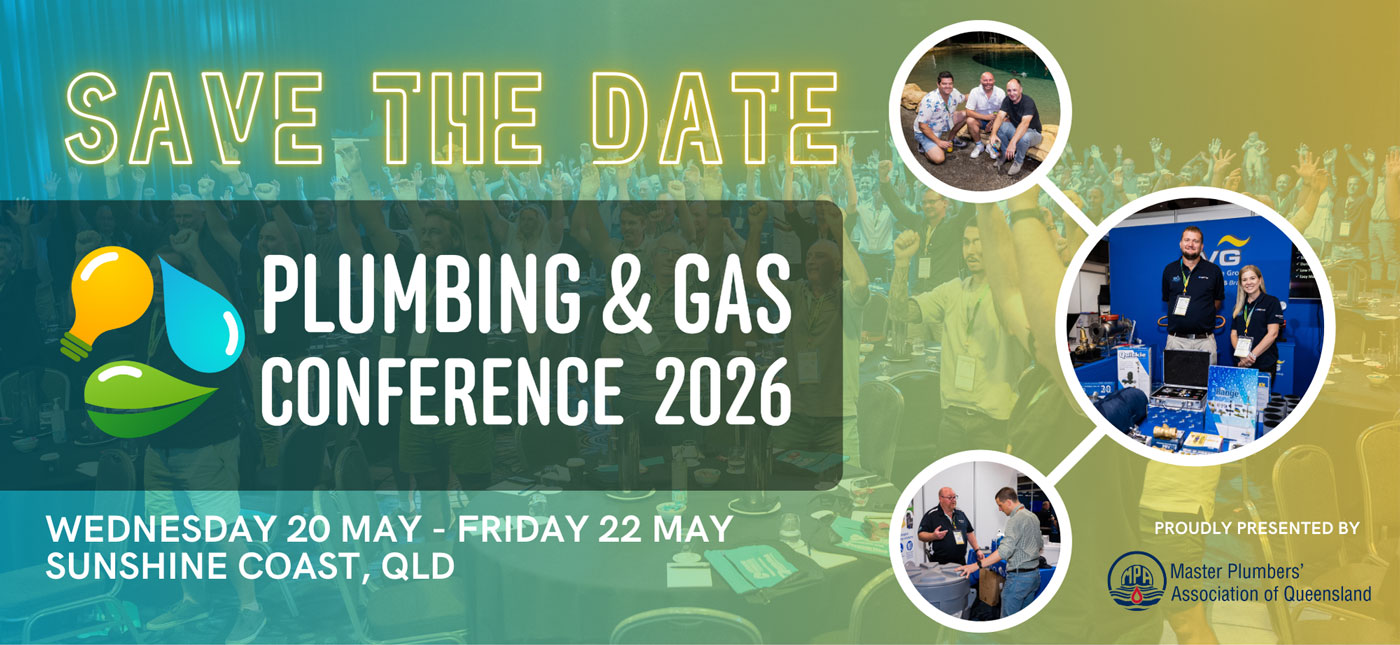
Submitted by Master Plumbers’ Association of Queensland (MPAQ)
In a significant move to address the evolving needs of the global plumbing community, the Master Plumbers’ Association of Queensland (MPAQ) officially announced the Plumbing & Gas Conference 2026. Scheduled for 20–22 May 2026 on the Sunshine Coast, Queensland, this three-day summit is designed as a catalyst for professional growth, technical innovation, and industrywide collaboration.
Collaboration Across the Sector
The 2026 conference highlights a unique partnership between contractors and regulators. MPAQ is creating a rare platform where licensed plumbers, gasfitters, business owners, and government inspectors can engage directly. This approach addresses the “special situations” common in the field, bridging the gap between high-level legislative intent and practical on-site application.
Technical Excellence and Emerging Technology
Adhering to the global shift toward digitalisation, the conference program is structured to showcase the latest tools and services. With a dedicated trade exhibition and streams tailored to specific industry interests, the event will focus on:
- Innovation on the Tools: Practical sessions on how new AI technologies are streamlining traditional plumbing and gasfitting tasks.
- Navigating Legislation: Descriptive sessions on applying local standards and codes in a way that ensures public health and safety without being promotional of a single entity.
- Infrastructure Challenges: Addressing unique approaches to complex problems in both urban and regional plumbing environments.
Educational Material and Professional Development
The conference serves as a major educational hub, offering “Full Delegate” and “Single Day” streams to ensure accessibility for everyone from apprentices to seasoned business directors. A standout feature is the Women’s Plumbing Alliance Networking Event, which highlights the contributions of women in the industry and focuses on diversifying the workforce, a trend currently shaping plumbing industries worldwide.
Global Implications and Industry Trends
While held in Australia, the themes of the Plumbing & Gas Conference 2026 resonate with the global community. The focus on “moving the industry forward” involves discussing trends that affect all WPC member nations, including:
- The Integration of Smarter Systems: Exploring how more efficient gas and water systems are being adapted for large-scale urban environments.
- The Role of Oversight: The vital function of inspectors in maintaining the integrity of the water supply during periods of rapid urban growth.
- The 2032 Olympic Legacy: With Brisbane officially becoming an Olympic host city, the conference will shed light on the critical role the plumbing and gas sector plays in delivering world-class infrastructure. The management of temporary vs. permanent water services for athlete villages, and the long-term hydraulic legacy that major international sporting events leave for a host nation.
The Plumbing & Gas Conference 2026 is an unmissable opportunity for the international community to witness how Queensland is shaping the future of the trade, ensuring that plumbers remain at the forefront of public health and environmental protection.
Learn more at au.entegy.events/pgc2026
World Plumbing Day & Technical Workshop on Plumbing Systems
Submitted by Abrinstal, Brazil
March is an important month for the global plumbing community. In celebration of World Plumbing Day (March 11), Abrinstal is organizing the 14th Workshop on Plumbing Systems, which will take place from 9 to 11 a.m. (BRT) March 13.
The workshop, titled “14th Workshop on Plumbing Systems,” will be held as a live webinar, streamed on Abrinstal’s official YouTube channel, and will bring together renowned specialists to discuss key topics related to efficiency, innovation, and best practices in plumbing installations.
This event is an excellent opportunity for professionals, companies, and stakeholders in the sector to exchange technical knowledge, explore innovative and practical solutions, and deepen discussions on water and energy efficiency in building installations.
By aligning the workshop with World Plumbing Day, Abrinstal reinforces the essential role of plumbing professionals in promoting public health, sustainability, and efficient use of resources worldwide.
Follow our website (https://www.abrinstal.org.br/ ) and our LinkedIn page. Watch the event on our YouTube channel: https://www.youtube.com/@Abrinstalorg/streams
Abrinstal Celebrates 20 Years and Presents Its New Board
Submitted by Abrinstal
The month of March will also mark a major milestone for Abrinstal: 20 years of dedication to conformity, quality, and efficiency in building installations.
To celebrate this anniversary, Abrinstal will host a special commemorative evening on March 11 at the Federation of Industries of the State of São Paulo (FIESP). During the event, the association will also officially present its new board of directors. The event will also be held in celebration of World Plumbing Day.
Founded in 2006, Abrinstal (Brazilian Association for Conformity and Efficiency of Installations) launched Qualinstal as its first project — a certification for installation companies. Over time, this initiative evolved into the BIP – Building Installation Performance program.
Abrinstal is a nonprofit organization whose mission is to promote conformity, performance and efficiency in building installations. At the time of its creation, Abrinstal’s main concern was the quality and safety of installation services, as the market lacked clear criteria to identify qualified installation companies. From its inception, Abrinstal has been strongly committed to technical standards, regulatory compliance, and professional qualification.
As its first major initiative, the certification of installation companies current, BIP was designed to:
- Ensure high-quality installation services
- Increase competitiveness among installation companies
- Improve safety for systems and end users
- Enhance productivity across the construction and infrastructure value chain
One of BIP’s most significant achievements was demonstrating that improving quality and safety also led to cost reductions and productivity gains, by reducing rework and optimizing material use — a key differentiator in Abrinstal’s evolution.
As the Association matured, its scope expanded to include technical studies, strategic planning, assessments, knowledge dissemination, and support for public policy formulation and corporate decision-making, always aligned with conformity, performance and efficiency.
Over the years, Abrinstal has grown from a state-level organization to a national and international reference, strengthening its role through carefully selected projects aligned with its statutory principles.
Today, in addition to BIP, Abrinstal operates in several strategic areas, including Research, Development and Innovation (R&D&I), energy management and energy savings, and water management. Its core focus remains unchanged: conformity, performance and efficiency — the DNA of Abrinstal.
Singapore’s Integrated Approach to Water Quality, Plumbing Materials and Environmental Protection
Submitted by Dickrose Masalamani , President Of Singapore Plumbing Society, Executive Director of JD Waters Pte Ltd
Introduction
Singapore’s success in delivering safe, high-quality potable water is the result of an integrated system that combines advanced treatment, regulated plumbing materials, and strong environmental controls. Over time, Singapore’s water infrastructure has evolved significantly — particularly in the materials used for water mains and distribution systems — reflecting growing emphasis on durability, corrosion control and water quality preservation.
- Water Quality Assurance
Singapore’s drinking water meets the Environmental Public Health (Water Suitable for Drinking) Regulations and is aligned with the World Health Organization (WHO) Guidelines for Drinking-Water Quality. The Public Utilities Board (PUB) manages water quality from source to tap, with extensive testing conducted across physical, chemical and microbiological parameters.
Today, Singaporeans can drink water directly from the tap with complete confidence, without the need for additional filtration or boiling — a clear testament to the nation’s rigorous water quality standards and robust plumbing infrastructure. Overall, Singapore’s system ensures consistently high-water quality and strong public confidence.
- Evolution of Pipe Materials
Historically Used Materials.
Singapore historically used a range of ferrous and cement-based materials, including galvanised steel, mild steel (unlined), and asbestos cement (AC) pipes. While structurally sound, these materials were more susceptible to internal corrosion, surface degradation, and water discoloration over long service periods.
Improved Materials for Mains and Distribution
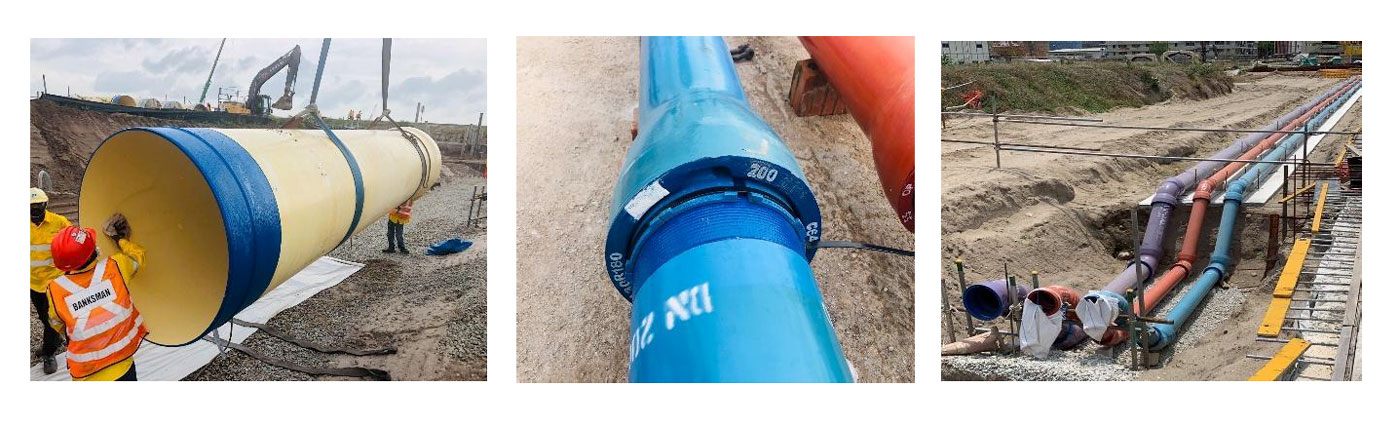
Mild steel cement-lined pipes are used for large transmission mains, providing corrosion protection and preserving water quality. Ductile iron pipes are preferred for smaller distribution mains, offering durability, flexibility, and corrosion resistance. This material selection reflects engineering strategies based on size, pressure requirements, and long-term performance.
Current Standards
Modern potable water installations no longer use galvanized iron. Singapore now prioritizes corrosion-resistant, non-reactive materials, reducing metal leaching and preserving water grade throughout the system, aligning with global best practices. Over the 60 years of its independence, Singapore has significantly improved its water quality to meet the needs of the nation. I would like to share the journey with countries that have yet to implement the similar measures. While Singapore’s small size has made system — wide changes easier to execute, a similar transition may still be achievable elsewhere through a steady, phased or batch-by-batch approach.
- Earth Control Measures (ECM)
Singapore protects raw water sources through Earth Control Measures. With about two-thirds of the country designated as water catchment, construction activities pose risks of sediment entering waterways and reservoirs. ECM requirements, enforced under PUB’s Code of Practice on Surface Water Drainage, ensure sediment and pollutants are contained at construction sites. These measures preserve raw water quality, reduce treatment burden, and support long-term water sustainability.
Conclusion
Singapore’s water resilience is built on continuous improvement — from early use of galvanized steel, mild steel and asbestos cement pipes to the adoption of cement-lined steel and ductile iron, and today’s emphasis on corrosion-resistant materials and environmental protection.
IPA Summit 2026 – 4 February 2026, Bengaluru
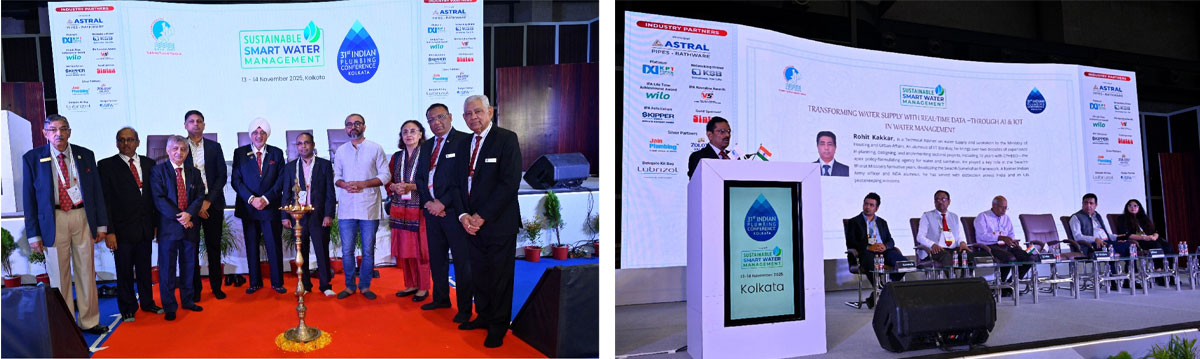
Left: Inauguration of 31st Indian Plumbing Conference. Right: Technical Session on the topic “Transforming Water Supply with Real – Time Data – Through AI & IPT in Water Management”
Submitted by the Indian Plumbing Association (IPA)
Theme: Regenerative Built Environment – Beyond Sustainability 2047
The IPA Summit 2026, held 4 February 2026 in Bengaluru, brought together key stakeholders from the plumbing and built environment sectors for strategic dialogue and collaboration.
Summit Focus Areas
- Water Efficiency & Policy Advocacy: Discussions on regulatory frameworks and innovative policies to strengthen water stewardship and plumbing excellence nationwide.
- Skills & Training Agenda: Workshops emphasised the need to expand accredited plumbing education and align vocational training with industry requirements.
- Industry Collaboration: Government, academia, and private-sector representatives explored public–private partnerships to scale sustainable plumbing solutions.
Participants left the summit with actionable insights to advance professionalism, quality, and public health through improved plumbing systems.
Looking Ahead: Connecting with the World – PlumbexIndia 2026
16–18 April 2026 | Bangalore International Exhibition Centre (BIEC), Bengaluru
PlumbexIndia 2026, India’s largest exhibition dedicated to water, sanitation, and plumbing products and technologies, will serve as a premier platform for innovation and collaboration. The event is expected to host 250+ exhibitors and attract 15,000+ trade visitors from India and overseas.
In alignment with World Plumbing Day, a series of outreach and awareness activities will be organised alongside the exhibition, including painting, poster, essay, and model-making competitions; free medical check-ups for plumbers; a blood donation camp; activities in align with “Hug a Plumber” initiative, student chapter launches, and chapter-level webinars conducted in regional languages. At least 75 events and seminars will be organised around World Plumbing Day.
IPA continues to strengthen its engagement with global partners such as the World Plumbing Council, contributing to shared goals of safer plumbing systems, sustainable water access, and improved public health worldwide.
Six Months In: Ashleigh Dalmau Focused on Practical Leadership for Australia’s Plumbing Industry
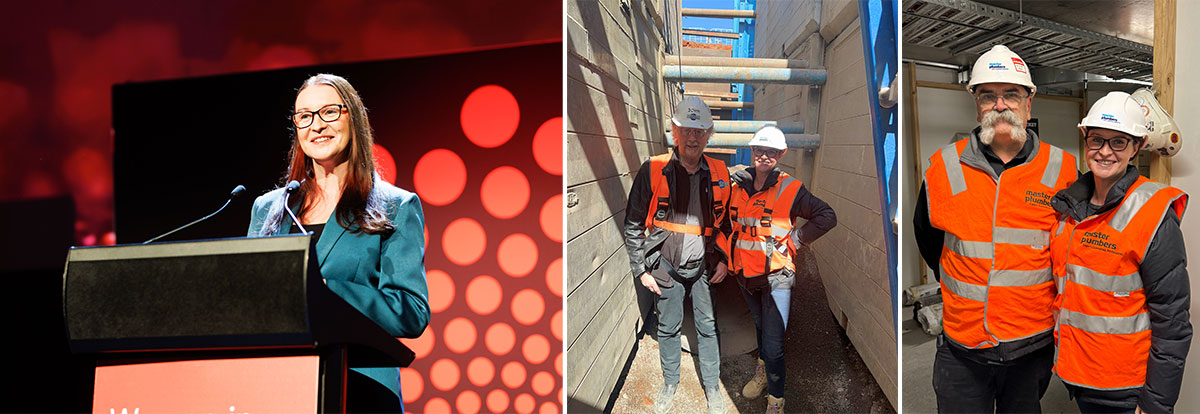
Ashleigh Dalmau has assumed the role as Chief Executive Officer of Master Plumbers and Mechanical Services Australia. Since commencing on September 1, Dalmau has concentrated on delivering tangible value for members while strengthening the organization’s voice across government, industry, and the global plumbing community.
“My leadership is about presence,” she says. “If we want to represent plumbers properly, we need to be on the ground, hearing what is happening, and then taking that into the rooms where decisions are made.”
Advocacy has been a central focus of Dalmau’s early tenure, particularly as Australia navigates reforms that affect public health, consumer protection, and building policy.
Among the most prominent issues is the transition to lead-free plumbing requirements. Dalmau supports moving forward with the change and aligning Australia with countries that have already adopted similar standards, while emphasizing the importance of a practical and coordinated rollout. Master Plumbers is working with industry partners to promote nationally consistent regulations, clear product certification pathways, and compliance systems that help plumbers confidently meet the new requirements while strengthening overall trust in the market.
Workforce development has also remained a priority as the industry responds to housing demand, infrastructure growth, and an aging workforce. Dalmau has emphasized the need to attract new talent to the trade, support apprentices, and ensure training programs reflect the increasing complexity of modern plumbing systems. At the same time, she sees opportunities for technology to support — rather than replace — skilled tradespeople by helping businesses manage administrative tasks and operate more efficiently.
Through collaboration with international partners and engagement with the World Plumbing Council, Dalmau says her goal is clear: remain closely connected to members, advocate with credibility, and contribute to strengthening the plumbing profession both nationally and globally.
“We are here to represent plumbers, protect public health and strengthen the profession for the future. That work is national, and it is global.”
Help the World Plumbing Council Grow
Do you know of an organization or individual interested in joining the WPC? Share this link (https://www.worldplumbing.org/shop/) so they can join and become part of our global plumbing community!
Dates for Diary
ISH China
31 March – 2 April
Beijing, China
ishc-cihe.hk.messefrankfurt.com/beijing/en.html
PLUMBEX India 2026
16-18 April
Bengaluru, India
indianplumbing.org
WQA Convention and Expo 2026
28-30 April
Miami Beach, FL, USA
convention.wqa.org/
World Plumbing Conference 2026 / InstallerSHOW
23–25 June
NEC Birmingham, UK
wpc2026.com
IAPMO 2025 Annual Education and Business Conference
13-17 September
Hollwood, CA, USA
iapmo.org
WaterSmart Innovations
21-23 October
Portland, OR, USA
watersmartinnovations.com
ISH 2027
15-19 March 2027
Frankfurt am Main, Germany
ish.messefrankfurt.com
Contact secretariat@worldplumbing.org to provide an event report or request listing of an upcoming event.